
What Happens at a Routine Dental Checkup in North Austin
If it has been a while since your last visit, walking into a dental office can feel like stepping into the unknown. This walk-through covers every step of a routine dental checkup in North Austin, from the first hello to the moment you head home, so you know exactly what is coming. By the end, booking your next appointment will feel like a simple decision instead of a leap of faith.
A Routine Checkup Covers More Ground Than Most People Realize
Most people picture a quick scrape and polish when they think about the dentist. A modern checkup is closer to a full health snapshot of your mouth.
Preventative dental care in Austin is built around one idea: catching small problems before they turn into painful, expensive ones. A cavity found early is a five-minute fix. The same cavity ignored for a year can mean a root canal.
A complete visit usually includes a health review, an exam, X-rays when needed, a professional cleaning, an oral cancer screening, and a digital scan of your teeth and gums. Each piece tells our team something different about your long-term health. Here is how the whole appointment unfolds.
Step 1: Your Welcome and Health History Review
Your visit starts with a conversation, not a drill. Whether you are coming in for a new patient dental check in Austin or returning after a long gap, we begin by getting to know you.
We review your medical history, current medications, and any concerns you have noticed since your last visit. This matters more than it sounds. Many common prescriptions cause dry mouth, which raises your risk of decay, and certain conditions change how we approach your care.
This is also the moment to mention anything that has been on your mind, like a sensitive tooth, a clicking jaw, or simply feeling nervous. There is no judgment here, only a starting point.
Step 2: The Comprehensive Dental Exam
Next comes the dental exam, where we look closely at your teeth, gums, bite, and the soft tissues of your mouth. We check for decay, cracked fillings, worn enamel, and early signs of trouble that you cannot feel yet.
We also measure the small pockets where your gums meet your teeth. Deeper pockets can be an early signal of gum disease, a condition the NIDCR explains can progress quietly before you notice symptoms. Catching it early keeps treatment simple.
If you are due for X-rays, we take them during this step. X-rays reveal what the eye cannot, including decay between teeth, bone health, and issues below the gumline. A routine dental exam in Austin is far more thorough when these images are part of the picture.
Step 3: Professional Cleaning
Once the exam is complete, your hygienist takes over for the part most people associate with the dentist. Laser teeth cleaning and prevention do two things at once: it removes the hardened plaque (tartar) that brushing cannot reach, and it gives your mouth a fresh baseline.
The cleaning usually includes scaling to lift away buildup, polishing to smooth the surface of each tooth, and a review of your home routine. Even a careful brusher misses spots, which is why the ADA recommends professional dental visits alongside daily brushing.
If we notice areas you are struggling to reach, we will show you a small adjustment rather than hand you a lecture. Better habits between visits make every future appointment easier.
Step 4: Oral Cancer Screening
This step is quick, painless, and easy to overlook, yet it may be the most important few minutes of your visit. We gently examine your lips, tongue, cheeks, and the floor and roof of your mouth for anything unusual.
Oral cancer is highly treatable when found early and far more serious when it goes unnoticed. Because the screening takes almost no time and requires nothing from you, it is included in a complete dental health check in Austin as a standard precaution. Most patients barely realize it is happening.
Step 5: Your 3D Digital Wellness Scan
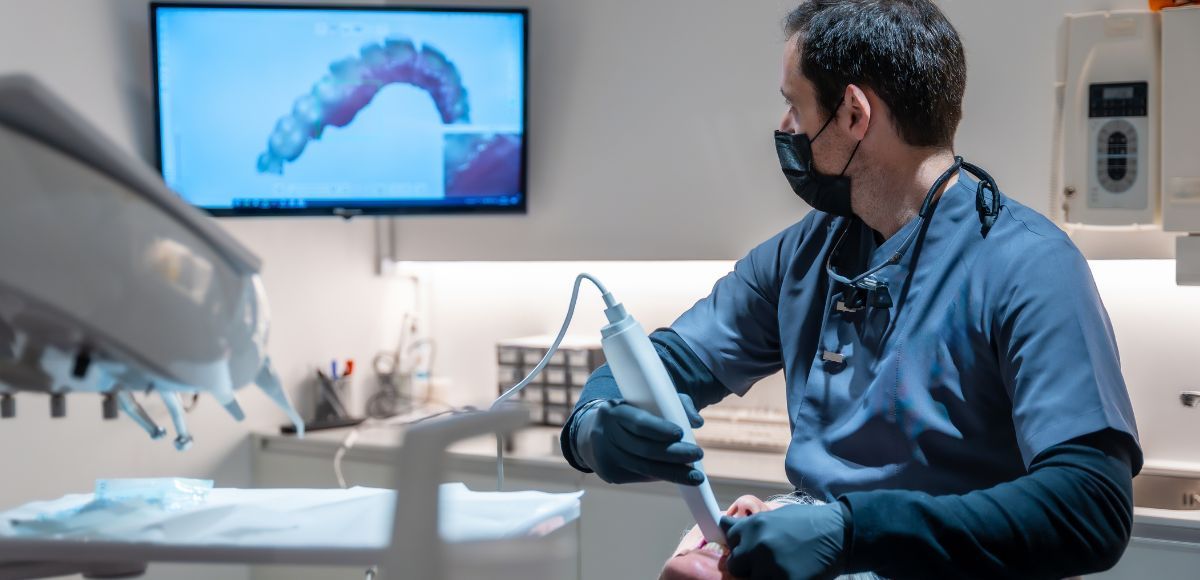
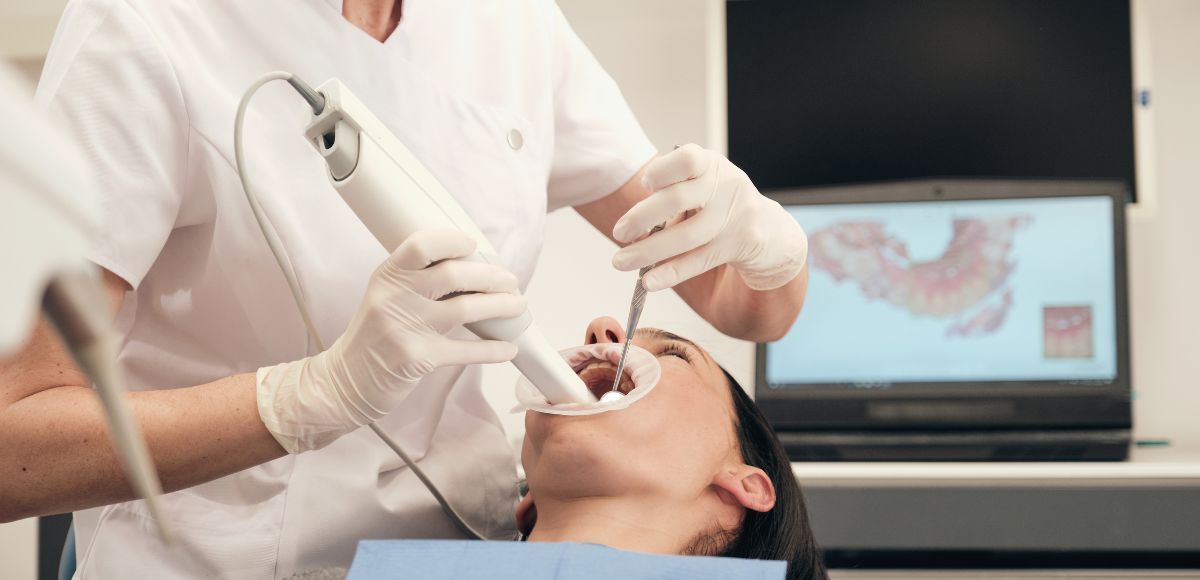
Technology has changed what a checkup can reveal. A 3D Digital Wellness Scan captures a detailed, full-mouth picture of your teeth and gums in minutes, with no messy molds and no discomfort.
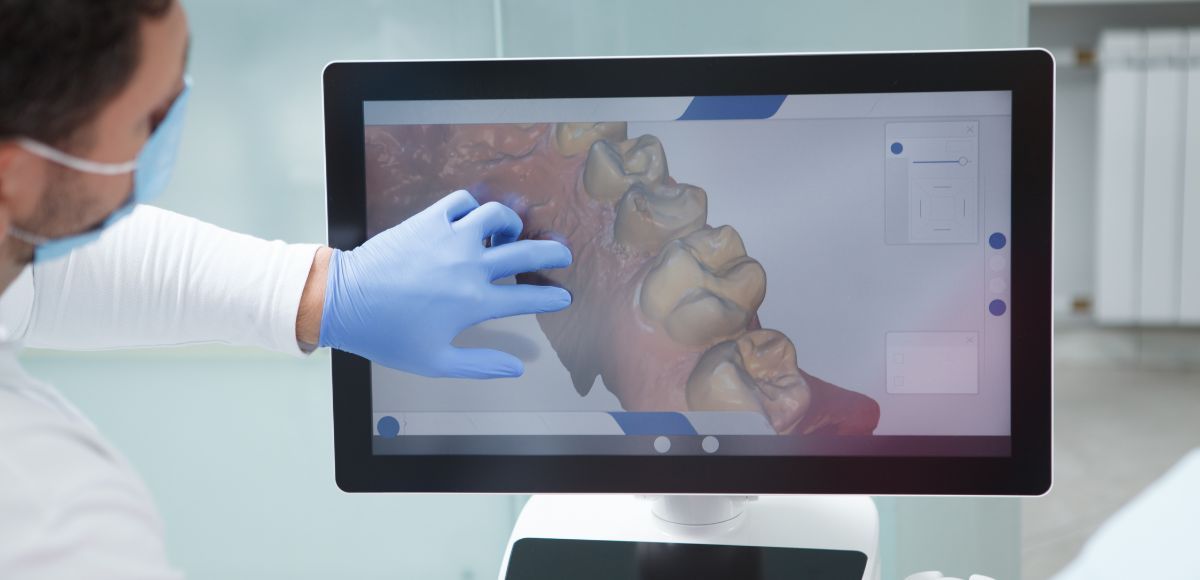
The scan gives our team a precise view of your bite, tooth wear, and structural changes over time. When you return next year, we can compare scans side by side and spot shifts you would never notice in the mirror. It turns a single appointment into part of a longer record of your oral health.
For many patients, seeing their own mouth on screen is the moment the whole visit clicks. It is easier to act on a problem you can actually see.
Step 6: Before You Leave
With the exam, cleaning, screening, and scan complete, we bring everything together. Your hygienist or dentist walks you through what looks healthy, what to keep an eye on, and any treatment worth scheduling.
This is your chance to ask questions while everything is fresh. You will leave with a clear sense of your next steps and, if it fits your needs, an invitation to join the Smile Wellness Plan at Austin Elite Smiles for ongoing preventative care. Most patients also book their next routine visit before they walk out the door, which is the easiest way to stay on track.
A Routine Dental Checkup in North Austin Is Easier Than You Remember
Skipping the dentist for a year or two (or longer) is more common than you might think, and it is never a reason for guilt. The goal of a visit is to meet you where you are and build forward from there.
As an AACD-accredited, women-owned practice serving North Austin and the Avery Ranch area, our team focuses on calm, thorough, no-judgment care for adults. A routine checkup is the foundation that keeps everything else simple. Knowing what each step involves takes the mystery out of the appointment, and that alone makes the next one easier to book.
Schedule Your Next Checkup
A healthier, more confident smile starts with one comfortable visit. Reserve your visit at Austin Elite Smiles and let our team take it from there, one step at a time.
Frequently Asked Questions
1. What happens at a routine dental checkup?
A routine checkup typically includes a health history review, a comprehensive exam of your teeth and gums, X-rays when needed, a professional cleaning, an oral cancer screening, and a digital scan. Your dentist then reviews the findings with you and outlines any recommended next steps.
2. How long does a dental checkup take?
Most routine checkups take about 45 minutes to an hour. A first visit, or one that includes additional X-rays or imaging, may run a little longer because we are building your baseline records.
3. What is included in a routine dental exam?
The exam covers a close look at your teeth, gums, bite, and soft tissues, along with gum pocket measurements that help detect early gum disease. X-rays are added when they will reveal something a visual exam cannot, such as decay between teeth or changes below the gumline.
4. Do I need X-rays at every dental visit?
Not always. How often you need X-rays depends on your age, your risk level, and what your dentist sees during the exam. Patients with healthy mouths and low risk often go longer between images, while those with active concerns may need them more regularly.
5. How often should I get a routine dental checkup in North Austin?
For most adults, every six months works well and gives our team time to catch small issues before they grow. If you have gum disease, a history of decay, or other risk factors, more frequent visits may be recommended. Your dentist sets the right schedule for you based on what the exam reveals, rather than a one-size-fits-all rule.
Key Takeaways
- Treat your checkup as a full oral health snapshot, not just a cleaning, and mention any new concerns during the history review.
- Ask your hygienist to point out the spots you keep missing so you can adjust your brushing and flossing at home.
- Say yes to the oral cancer screening every time; it takes only minutes and catches serious issues early.
- Request a comparison of your current 3D scan with last year's to track changes you cannot see in the mirror.
- Book your next visit before you leave the office so preventative care stays on schedule.