
Sleep Apnea Treatment in Austin: How Your Dentist Can Help
Sleep apnea treatment at a dental office typically uses a custom oral appliance to keep the airway open during sleep, offering a quiet, travel-friendly alternative to CPAP therapy for mild to moderate cases. If you wake up tired no matter how long you slept, or your partner moved to the guest room because of your snoring, your airway may be closing while you sleep. This guide explains how a dentist can deliver sleep apnea treatment for Austin patients, why a small oral appliance is often a better fit than a mask, and when it's time for an evaluation.
What Is Sleep Apnea and Why Does It Matter?
Sleep apnea is a sleep disorder in which your breathing repeatedly stops and restarts during the night, most often because the airway becomes blocked. The National Heart, Lung, and Blood Institute describes that stop-and-start pattern as the defining feature of the condition. In its most common form, obstructive sleep apnea, the soft tissue at the back of your throat relaxes and blocks your upper airway.
Every time the airway closes, your body jolts itself awake just enough to restart breathing. You rarely remember these moments, yet they can repeat many times an hour. That interruption explains why people with sleep apnea drag through the day even after eight hours in bed.
Doctors group these repeated nighttime interruptions under a broader label: sleep-disordered breathing. The deeper problem is that your body depends on uninterrupted sleep to regulate blood pressure, consolidate memory, and restore energy, so when that cycle is broken dozens of times a night, the effects show up far beyond the bedroom. Spotting the pattern early gives you options that are far simpler than most people expect.
Signs You Might Have Sleep Apnea
Most people miss the problem in themselves, so a partner usually raises it first. MedlinePlus describes the telltale pattern clearly: loud snoring, then a pause in breathing, then a gasp or choking sound as breathing restarts.
Watch for these obstructive sleep apnea symptoms:
- Loud snoring on most nights of the week
- Waking up gasping, choking, or short of breath
- Morning headaches or a dry, sore throat when you wake
- Daytime sleepiness that persists after a full night in bed
- Trouble concentrating, low mood, or a shorter temper during the day
A single symptom rarely means much. Several together, especially loud snoring plus daytime fatigue, warrant a dental wellness consultation this month rather than next
year.
How a Dentist Treats Sleep Apnea Without a CPAP
Many people assume a CPAP machine is the only option. CPAP works well, but plenty of people abandon the mask, hose, and steady hum within weeks, and a machine gathering dust in the closet treats nobody.
Austin Elite Smiles offers a dental-based approach to sleep-disordered breathing for patients across North Austin and the surrounding area. It treats snoring and mild-to-moderate cases with a custom oral appliance, the CPAP alternative that Austin patients most often stick with.
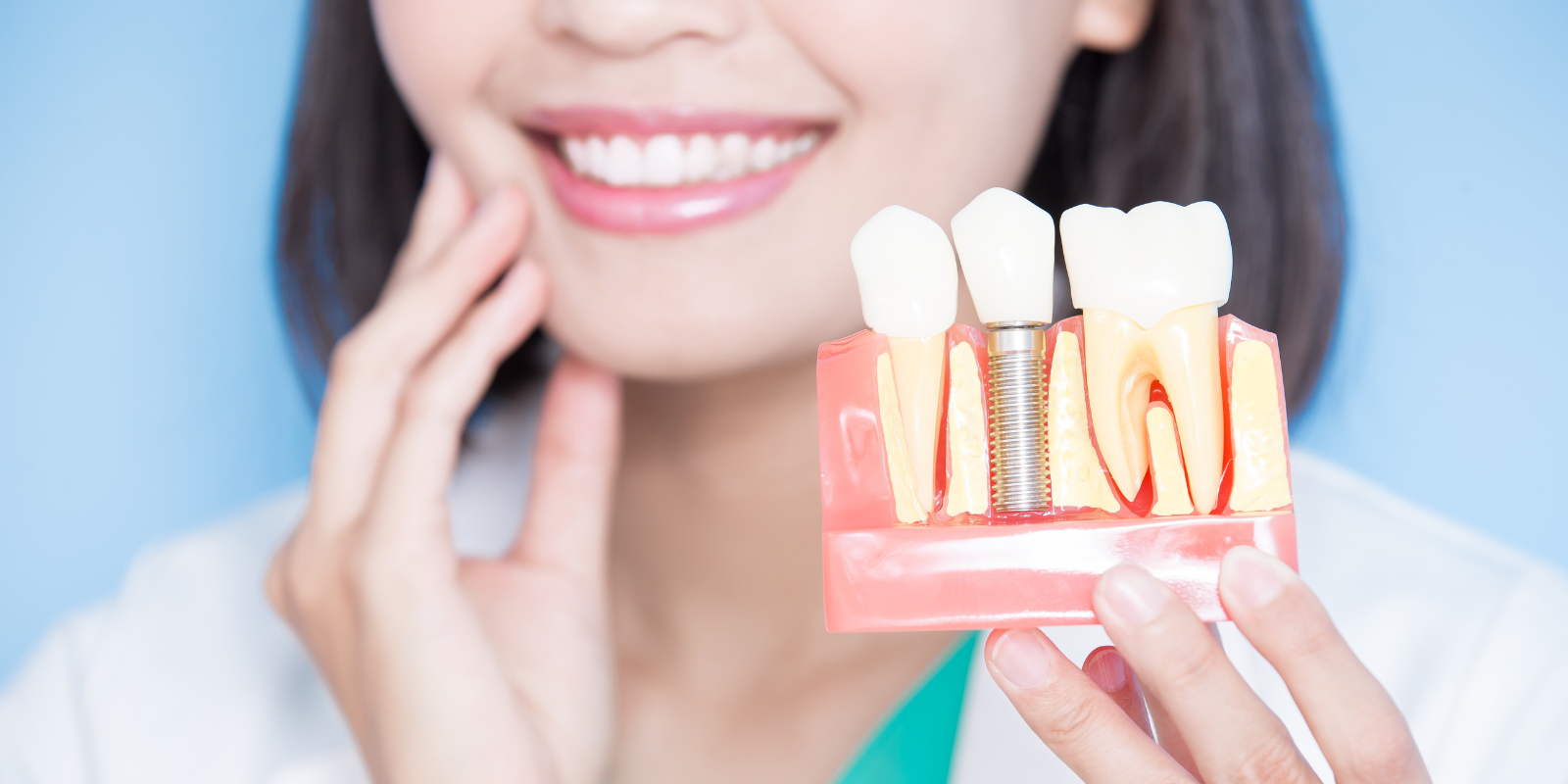
The NHLBI's treatment guidance describes how these oral devices hold your lower jaw slightly forward to keep the airway open while you sleep. The appliance looks like a retainer, makes no noise, and fits in a pocket when you travel. For people with mild to moderate obstructive sleep apnea, or anyone who cannot stick with a CPAP, that small device changes how they sleep and how they feel the next morning.
Sleep Apnea Treatment at Austin Elite Smiles
At Austin Elite Smiles, our team treats sleep as part of your whole-body wellness rather than a problem to send elsewhere, and we serve patients across North Austin, Avery Ranch, and Cedar Park. The same prevention-first philosophy drives our approach to general dentistry.
A precise fit decides whether an oral appliance works and whether you keep wearing it, so we map your bite with the same digital imaging behind our 3D digital wellness scan and design the appliance around your exact anatomy. That same custom device also anchors the snoring treatment Austin patients ask us about most.
When an evaluation points toward oral appliance therapy, Austin patients can rely on us to walk them through every option before they decide.
Is Oral Appliance Therapy Right for You?
An oral appliance does not suit everyone, and we say so plainly. It fits three groups best: people with mild to moderate obstructive sleep apnea, people whose main complaint is snoring, and people who tried a CPAP and could not keep using it.
Severe cases often need a combined approach or a sleep physician's input, and we tell you directly when yours falls into that category. Your evaluation shapes the plan, and that plan reflects what your airway, bite, and symptoms actually call for.
An evaluation settles the question. A brief conversation, along with a look at your airway and bite, is enough to determine whether an appliance will likely work for you.
What to Expect at Your Sleep Apnea Consultation
Your first visit centers on a calm, no-judgment conversation about how you sleep. We ask about and examine your airway, jaw, and bite.Your snoring, energy, morning symptoms, and anything your partner has noticed, then we
If the exam points toward sleep-disordered breathing, we lay out the next steps in plain language, including when a formal sleep study or a physician's input is the right call. You feel no pressure and no rush.
If an oral appliance fits your situation, we take digital impressions and build a device specifically for your mouth. Most patients across Avery Ranch, Cedar Park, and North Austin find the process far simpler and more comfortable than they expected.
Start Sleeping Better in Austin
Sleep apnea treatment for Austin patients can begin with a single, low-pressure conversation. If the signs in this guide sound familiar, take that first step: Schedule a consultation online, and let our team help you breathe easier at night.
Frequently Asked Questions
1. Can a dentist treat sleep apnea?
Yes, within a defined scope. A dentist trained in sleep-disordered breathing treats mild to moderate obstructive sleep apnea and snoring with a custom oral appliance. For a diagnosis or a severe case, that dentist works alongside a sleep physician rather than replacing the sleep physician.
2. What is oral appliance therapy for sleep apnea?
It uses a small, custom-fitted device that you wear in the mouth during sleep. The NHLBI explains that the device holds your lower jaw slightly forward to keep the airway open. It resembles a retainer, stays quiet, packs easily, and needs no power source.
3. How do I know if I have sleep apnea?
Watch for loud nightly snoring, waking up gasping or choking, morning headaches, and daytime tiredness that a full night's sleep does not fix. Your sleep partner usually spots the breathing pauses before you do. A professional evaluation, sometimes with a sleep study, confirms it.
4. Is a dental device better than a CPAP?
Neither wins for everyone; each suits different people. Doctors often recommend CPAP for severe cases, while an oral appliance is recommended for mild to moderate apnea and for people who cannot tolerate a mask. The device you actually wear every night beats the one you avoid.
5. What happens if sleep apnea goes untreated?
Untreated sleep apnea keeps cutting short the deep sleep your body relies on, which drags down your daytime alertness, focus, and mood over time. It also strains your body every single night, so addressing it pays off even when the symptoms feel manageable. An evaluation shows you your risk level.
Key Takeaways
- Book an evaluation at Austin Elite Smiles if loud snoring pairs with daytime exhaustion, rather than waiting for it to pass.
- Ask specifically about a custom oral appliance if you already know a CPAP mask is not something you will wear.
- Bring your sleep partner to the visit or write down what they hear; those breathing pauses are useful diagnostic clues.
- Choose a provider who refers severe cases to a sleep physician rather than fitting everyone with the same device.
- Act on the early signs and treat sleep as core to your health, not as a minor nighttime annoyance.