

Why Your Gums Bleed When Brushing and What to Do About It
If your gums bleed when you brush, you are not alone, and you likely want a clear answer about what it means. Pink in the sink is a frequent sight, but it is not a sign of healthy gums, and it is often plaque-related inflammation that early care can reverse.
This guide helps Austin patients understand the common causes, when bleeding may signal gum disease, and what to do at home before booking a visit.
Is It Normal for Gums to Bleed When Brushing?
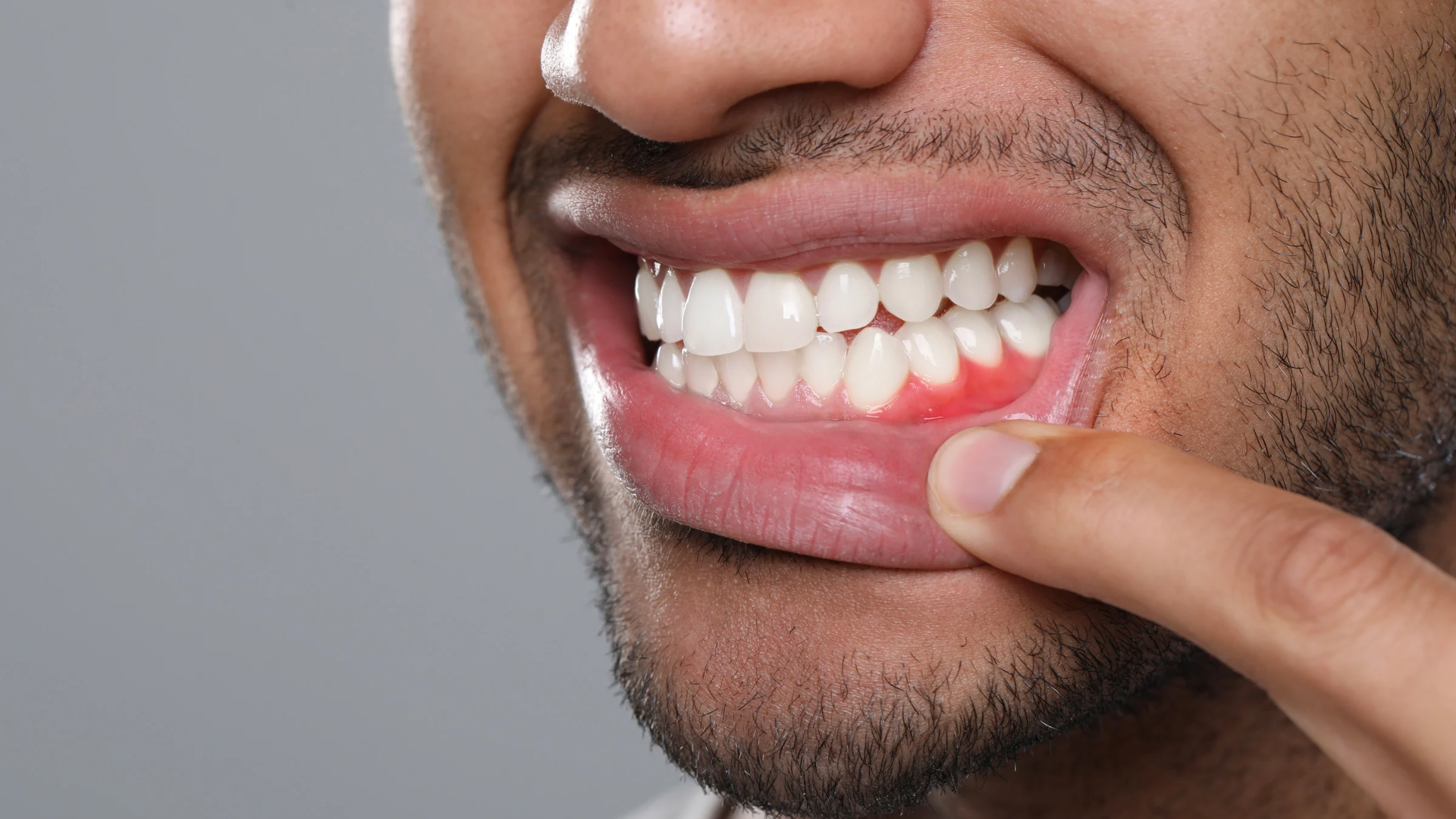
Gums that bleed when you brush are often inflamed from plaque buildup along the gumline. Bleeding is common, but it is not normal, because the NIDCR lists gums that bleed easily as a symptom of gum disease.
Bleeding that returns day after day is a signal worth acting on. That signal is useful information rather than a reason to panic.
The National Institute of Dental and Craniofacial Research describes gum disease as beginning with swollen, red, and bleeding gums. It also notes that early gum disease can often be reversed with daily brushing and flossing.
The Most Common Reasons Gums Bleed During Your Routine
Several common causes of gum bleeding can be addressed at home.
Here are the main ones to know:
- Plaque and tartar along the gumline: Plaque is a sticky film of bacteria. If it is not removed each day, it can harden into tartar. According to the CDC, brushing cannot remove tartar, and professional treatment, including routine preventative dental visits, is necessary.
- Brushing too hard: Forceful scrubbing may irritate gum tissue, which is why the NIDCR advises small, gentle circular motions instead of scrubbing hard back and forth.
- Hormonal changes and some medications: The CDC lists hormonal changes, such as pregnancy or menopause, and medications with oral side effects among factors associated with gum disease.
- Tobacco use, diabetes, and stress: The CDC and NIDCR associate each of these with gum disease.
When Bleeding Gums Are a Sign of Something More Serious
Bleeding gums after brushing that keep returning may mean the inflammation has not settled. According to the CDC, gingivitis, the mildest form of gum disease, can lead to periodontitis if it is left untreated.
Periodontitis involves bone loss around the teeth. The CDC notes that it cannot be reversed, although professional treatment can slow it down and help manage it. The CDC also notes that gum disease can become serious before you notice symptoms, so you do not need pain to justify a checkup.
When an exam shows inflammation or bleeding, we can look further. Salivary bacterial testing helps us identify the bacteria involved and your individual risk of progression. That way, care is based on what is present in your mouth rather than on guesswork.
Depending on what we find, options may include
laser teeth cleaning to reduce bacteria beneath the gumline. Another option is
Perio Protect, which uses custom-fitted trays and a prescription antimicrobial gel. Our periodontist, Dr. Chad Orlich, is also part of our team for patients who need more advanced gum care.
How Your Brushing and Flossing Technique May Be the Issue
Brushing technique is one of the easiest things to adjust when you have bleeding gums. The NIDCR's brushing and flossing tips are a helpful place to start.
- Use small, gentle circular motions. Angle the bristles 45 degrees toward the gumline and avoid scrubbing hard back and forth.
- Brush twice a day with fluoride toothpaste. The NIDCR lists this as a core habit for healthy gums and teeth.
- Clean between your teeth once a day. Ease the floss gently between the teeth, curve it like the letter C around each tooth, and avoid forcing it into place.
- Replace your toothbrush when the bristles wear down.
- Ask about other tools. An interdental brush or a water flosser can help if a dental professional recommends one for you.
If bleeding continues after you soften your technique, plaque inflammation may be the cause. That is a good time to book a visit.
What You Can Do at Home Before Your Next Appointment
Wondering how to stop gums from bleeding when brushing? While you wait for your visit, a few steady habits can support healthier gums:
- Keep brushing and flossing
- Stay gentle and consistent
- Take note of the pattern
- Support your gums by cutting back on tobacco, if you use it
When to Call Your Austin Dentist About Bleeding Gums
You do not have to wait for pain, and you do not need to have it all figured out. Consider booking a visit with your Austin dentist if any of these feel familiar:
- Your gums bleed most days, even after you have made your technique gentler.
- Your gums look red, swollen, or tender.
- Your gums seem to be pulling away from your teeth.
- Your bad breath does not go away.
- Your teeth feel loose or sensitive.
- Your last professional cleaning was a while ago.
Our 3D Digital Wellness Scan creates a detailed 3D image of your teeth, gums, and bite, which helps us monitor changes over time. Whether it has been six months or six years since your last visit, we will meet you where you are. You will receive no-judgment care and a clear plan for next steps.
We Can Help You Find Out Why
If your gums bleed when you brush, and it keeps happening, you deserve answers, not guesswork. At Austin Elite Smiles, we look at the whole picture, from your gums and bite to the bacteria behind inflammation. Our care can include the 3D Digital Wellness Scan and salivary bacterial testing, plus laser teeth cleaning and Perio Protect when they are right for you.
Explore our services on our website, then book your visit online when you are ready. We would be glad to welcome you for a calm visit at our Avery Ranch office in Austin.
Frequently Asked Questions
1. Why do my gums bleed when I brush my teeth?
Plaque and tartar contain bacteria that can trigger gum inflammation, according to the NIDCR, and inflamed gums bleed easily. Brushing technique, hormonal changes, certain medications, and tobacco use can also play a part. We look at all of these to find what applies to you.
2. Is it normal for gums to bleed when flossing?
Bleeding when you floss is not a sign of healthy gums. The NIDCR describes gums that are red, swollen, and bleed easily as signs of gingivitis, which you can usually reverse with daily brushing and flossing. If the bleeding continues, we recommend an exam so we can check for inflammation below the gumline.
3. How do I stop my gums from bleeding?
We usually start with the basics: gentle brushing twice a day, daily flossing, and a professional cleaning to remove tartar that home care cannot reach. Stopping your routine is not the fix, because plaque left in place keeps gums inflamed.
4. Can brushing too hard cause gums to bleed?
Forceful scrubbing may irritate gum tissue, and the NIDCR advises small, gentle circular motions rather than scrubbing hard back and forth. If bleeding continues after you soften your technique, plaque inflammation may be the cause, and we would want to take a look.
5. Should I be worried if my gums bleed every day?
Daily bleeding is worth getting checked, but there is no need to feel alarmed. Early gum disease can often be reversed with daily brushing and flossing, according to the NIDCR.