
Sleep Apnea and Oral Health: What Austin Patients Need to Know
Sleep apnea is a sleep disorder in which breathing repeatedly stops during the night, and its earliest warning signs often appear not in a sleep clinic but inside your mouth.
Loud snoring, a sore jaw, and a dry mouth at sunrise are easy to dismiss, yet your dentist often spots them before anyone else does. This guide shows Austin patients how sleep apnea and oral health connect, which mouth signs to watch for, and why a routine dental visit doubles as an early wellness screening.
What Is Sleep Apnea, and Why Does Your Dentist Care?
Sleep apnea is a common sleep disorder in which your breathing repeatedly stops and restarts during the night, briefly cutting off your body's oxygen supply. In obstructive sleep apnea, the most common type, the soft tissues at the back of the throat collapse and block the airway dozens of times an hour. Most people file sleep apnea under heart or lung problems, and it does affect both.
The National Heart, Lung, and Blood Institute links untreated sleep apnea to higher rates of high blood pressure, heart disease, stroke, and type 2 diabetes. The surprise for many patients is that the first visible evidence often appears inside the mouth, which is exactly where our team looks every day.
How Sleep Apnea Affects Your Oral Health
Your mouth and your airway occupy the same space, so a rough night leaves marks on your teeth and gums. Mouth breathing dries up saliva, and less saliva means less protection against acid and bacteria.
Over time, the link between sleep apnea and oral health tends to emerge as a cluster of clues rather than a single dramatic symptom. Austin Elite Smiles watches for:
- Flattened or worn chewing surfaces from nighttime grinding
- Teeth that suddenly feel sensitive to hot or cold
- Red, puffy gums that bleed when you brush
- Morning bad breath that a mint does not fix
No single sign confirms a sleep disorder. Together, though, they give our team a concrete reason to ask how you have been sleeping.
The Connection Between Sleep Apnea and Teeth Grinding
Wake up with a tight jaw or a dull temple headache? Sleep apnea and teeth grinding may be driving it. Most people who clench at night never feel it happen, and the two conditions cluster together often enough that dentists treat one as a prompt to ask about the other.
One clinical study in the National Library of Medicine found sleep bruxism, the medical term for grinding, in about 37% of the obstructive sleep apnea patients it examined. Researchers suspect the jaw grinds reflexively to reopen a narrowing airway, so the breathing pauses, and the grinding reinforces each other.
The damage adds up fast: flattened molars, hairline cracks, and jaw muscles that ache into the temples and cheeks. If that pattern sounds like your mornings, our guide to the signs of TMJ and how to cope with them explains what your jaw is signaling.
Sleep Apnea and Dry Mouth: A Hidden Dental Risk
Waking up with a cottony, parched mouth ranks among the most overlooked signs here. Sleep apnea dry mouth occurs when you breathe through an open mouth all night, allowing saliva to evaporate instead of protecting your teeth.
Saliva does real work: it rinses away food particles, neutralizes acid, and delivers minerals back to enamel. The National Institute of Dental and Craniofacial Research explains that when saliva drops, cavities and gum problems climb, because nothing steps in to wash the acids away. Night after night, a dry mouth raises your cavity risk, even when your brushing habits haven't changed at all.
A few habits ease the dryness while you track down the cause. Our tips for reducing dry mouth list practical steps you can start tonight.
How a Dentist Can Spot the Signs During a Checkup
Dentists frequently catch the fallout of a sleep problem before a physician ever weighs in. A twice-yearly cleaning puts a trained eye on the exact tissues that sleep apnea disturbs.
What our team checks during your visit:
- Wear facets on the molars and worn edges on the front teeth
- Scalloped ridges along the sides of the tongue
- Redness or swelling at the back of the throat
- A reported history of loud snoring, gasping, or daytime fatigue
A dentist does not diagnose sleep apnea, and we will not pretend otherwise. We screen for the oral signs, connect them to what you tell us, and refer you to a sleep physician for a sleep study when the pattern warrants it. Our approach to general dentistry treats every visit as a whole-health checkpoint rather than a quick polish.
Technology sharpens the picture. Our 3D Digital Wellness Scan maps your bite, airway space, and soft tissues in detail, so our team can catch subtle warning signs and compare them scan to scan over the years.
Sleep Apnea and Oral Health Treatment Options at Austin Elite Smiles
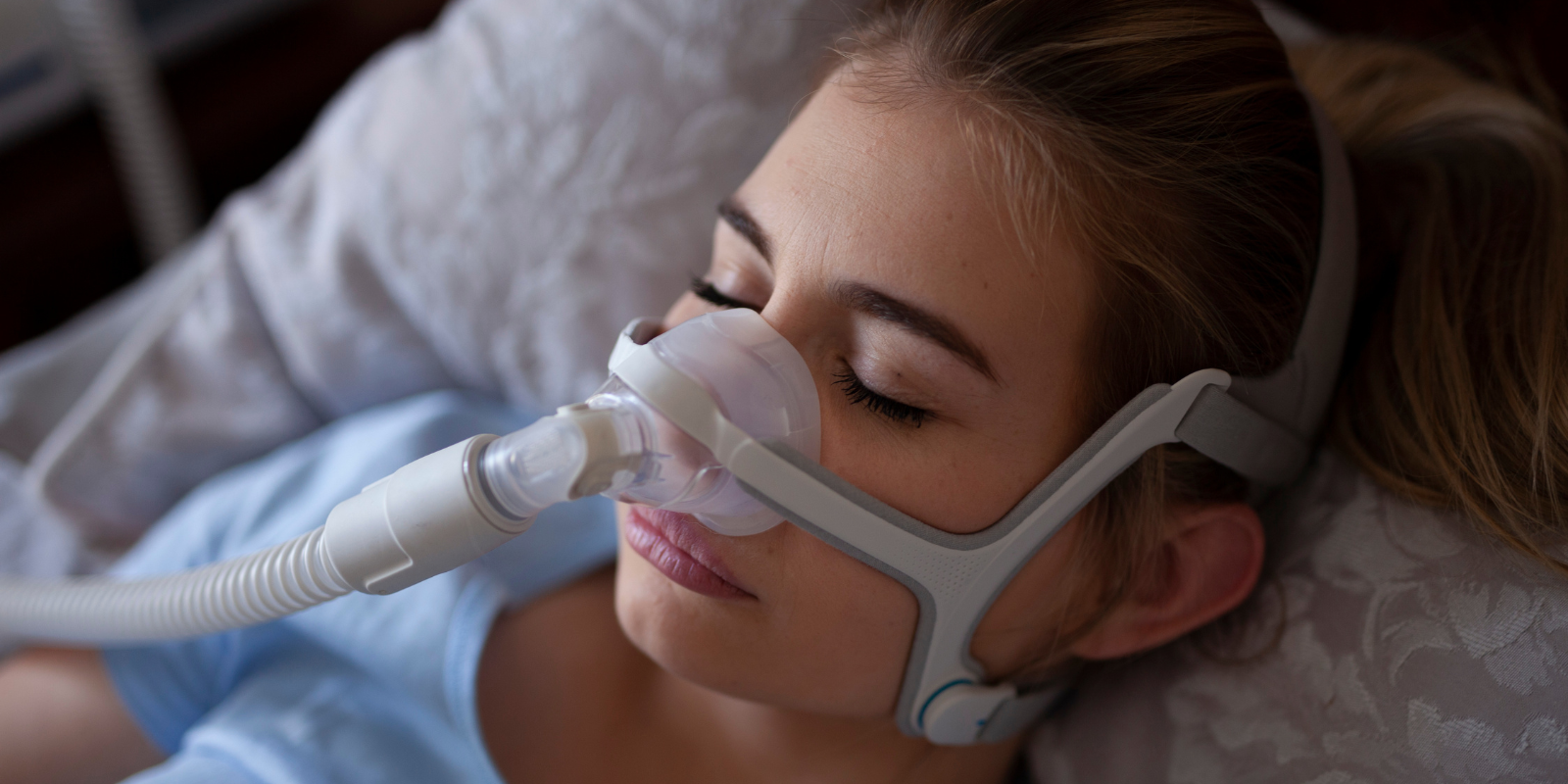
After a sleep physician confirms a diagnosis, dentists support the larger care plan. For many patients with mild to moderate obstructive sleep apnea, a custom oral appliance provides a comfortable alternative to a CPAP machine or a companion to one.
A custom appliance eases the lower jaw forward to hold the airway open, and because a dentist fits it to your bite, it stays comfortable enough actually to wear. Our sleep apnea and snoring treatment page walks through the process from impression to follow-up.
We never lead with the device. We make sure someone connects your sleep and your smile, so the warning signs in your mouth reach the right specialist instead of going unnoticed.
Book Your Sleep and Wellness Consultation in Austin
If snoring, grinding, or a dry mouth describes your mornings, one conversation is a low-pressure place to start. Book a consultation with Austin Elite Smiles, and our team will take a close look at what your mouth reveals about your sleep.
Frequently Asked Questions
1. Can sleep apnea damage your teeth?
Yes, indirectly. The mouth breathing and nighttime grinding that often accompany sleep apnea wear down enamel, crack teeth, and dry out the mouth, and each of those increases your risk of decay and sensitivity over time.
2. Does sleep apnea cause teeth grinding?
The two show up together often. Research suggests that grinding may be a reflex that opens a blocked airway, though scientists are still mapping the exact mechanism. If you grind and snore, tell your dentist about both at the same visit.
3. Can a dentist diagnose sleep apnea?
No. A dentist screens for oral warning signs and flags a possible problem, but only a sleep physician can diagnose the condition, usually with a sleep study. Our job is to notice the clues early and send you for testing.
4. How does sleep apnea affect your mouth?
It typically produces dry mouth, worn or cracked teeth, irritated gums, jaw soreness, and stubborn bad breath. Mouth breathing, reduced saliva, and nighttime grinding drive all five.
5. Can dry mouth be caused by sleep apnea?
Often, yes. Breathing through your mouth during apnea episodes dries out saliva. Since saliva helps protect against cavities and gum disease, chronic dryness can chip away at your oral health when it goes unaddressed.
Key Takeaways
- Tell your dentist if you snore, grind, or wake with a dry mouth, because these three signs often indicate a sleep problem.
- Write down morning symptoms, such as jaw soreness and headaches, then bring the list to your next cleaning so your dentist can match them to what they see.
- Get worn enamel and hairline cracks evaluated early, rather than waiting for a tooth to break or ache.
- Treat recurring nighttime dry mouth promptly, since low saliva flow steadily increases your risk of cavities and gum disease.
- Use your twice-yearly checkup at Austin Elite Smiles as a whole-health screening for sleep apnea, and ask for a referral to a sleep physician when the warning signs stack up.