
5 Signs of TMJ Austin Patients Shouldn't Ignore
Jaw pain that comes and goes, clicking, temple headaches, limited jaw movement, and unexplained ear pressure are the five signs of TMJ we see most often in Austin patients. Any one on its own may be nothing, but a cluster is worth having evaluated. Our Austin dental team can run a focused exam to identify what your jaw is really doing.
1. Jaw Pain or Soreness That Comes and Goes
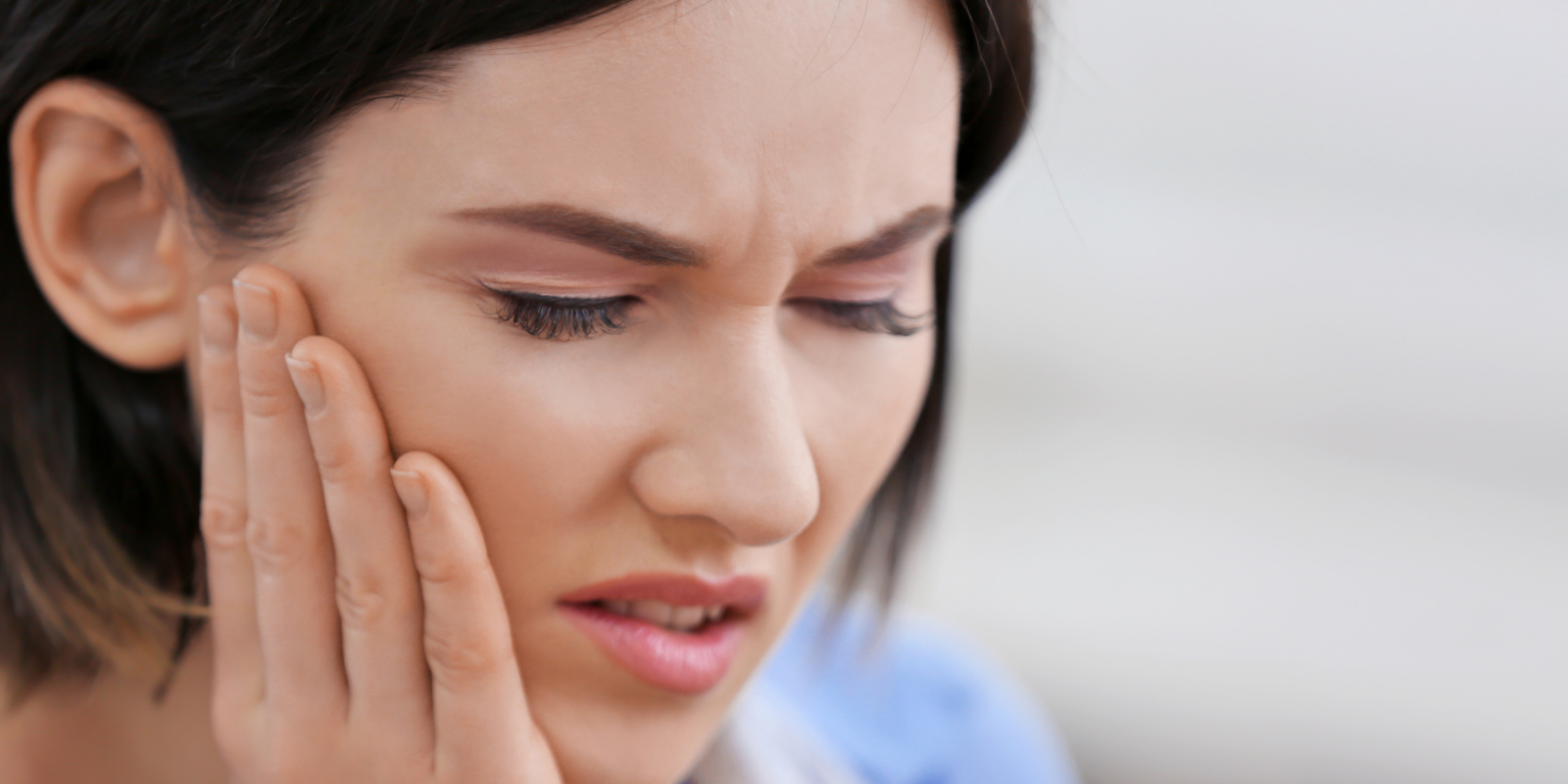
The most recognizable sign is a dull ache or tenderness in the jaw that shows up, fades, and returns. It often lands near the joint just in front of the ear, or along the muscles that run down toward the chin.
Jaw pain here usually traces back to muscle strain from clenching, grinding, or an uneven bite that forces the joint to work harder than it should. You may notice it most in the morning after a night of clenching, or later in the day after long stretches of talking or chewing. Because the pain drifts in and out, plenty of people write it off as stress or a rough night of sleep and never mention it. That on-and-off pattern is exactly what makes it easy to overlook.
2. Clicking, Popping, or Grinding Sounds When You Chew
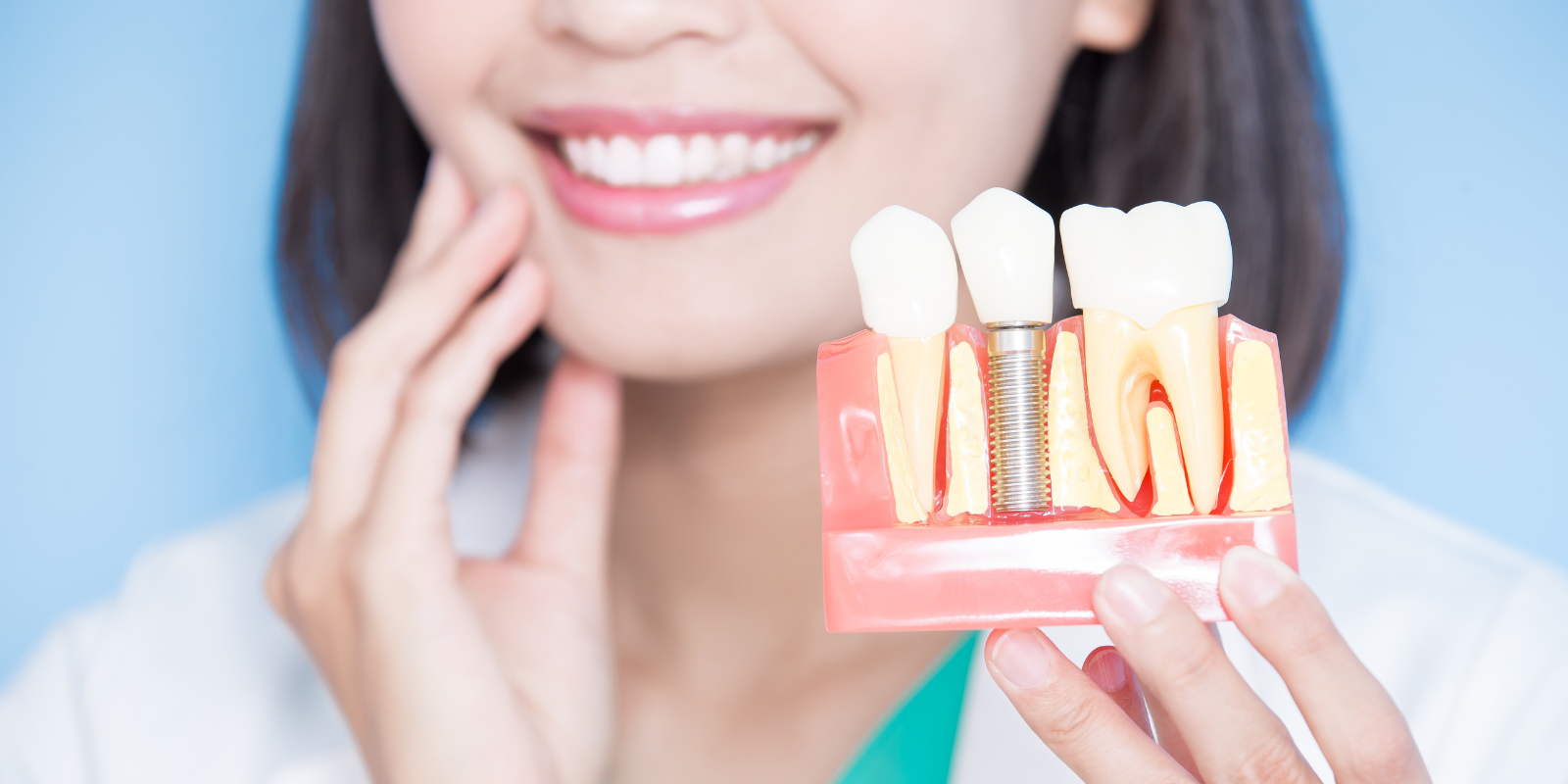
A clicking jaw, Austin patients often describe as a pop or a soft grinding noise, is one of the clearest signals that the joint is not moving smoothly. The sound comes from the small cushioning disc inside the joint, which the American Dental Association describes as the cushion between the ball and socket, slipping out of its normal position as you open and close. Sometimes you feel it more than hear it, like a catch or a shift mid-bite. It tends to appear during everyday moments: biting into a sandwich, yawning wide, or laughing. On its own, an occasional click is common and not always a problem.
When clicking is frequent, painful, or accompanied by any other sign on this list, it warrants attention. Many patients assume noise without pain means nothing, which is why this one slides under the radar.
3. Frequent Headaches or Pain Around Your Temples
TMJ headaches are among the most misdiagnosed signs, because they feel exactly like tension headaches. The muscles that move your jaw connect to your temples, so when they stay tight from clenching or grinding, the strain radiates upward. The result is a dull, pressing ache around the temples or forehead, sometimes reaching behind the eyes. These headaches often show up in the morning or build through a stressful day. People chase them with pain relievers for years without realizing the trigger sits in the jaw, not the head. If your headaches keep returning and cluster around your temples, the jaw is worth ruling in or out.
4. Difficulty Fully Opening or Closing Your Mouth
When the joint or its disc is inflamed or out of position, your jaw can feel stiff, stuck, or limited in how far it moves. You might notice it catching partway through a yawn, locking briefly, or simply not opening as wide as it used to. This stiffness is frequently tied to teeth clenching signs that show up overnight, when hours of pressure leave the muscles fatigued and tight by morning.
For some people, it is subtle, a sense that the jaw is not gliding freely. For others, it is alarming, a jaw that locks open or shut for a moment. If nighttime grinding is part of the picture, our sleep apnea and snoring treatment evaluation can help uncover what is happening while you sleep. Many adults quietly adapt around this, chewing on one side or avoiding wide bites, rather than asking why it started.
5. Ear Pain or Fullness Without an Ear Infection
One of the most confusing signs of TMJ is ear pain, fullness, or ringing when your ears are perfectly healthy. The jaw joint sits directly in front of the ear canal, so joint inflammation and tight surrounding muscles can create pressure that feels like it is coming from inside the ear. People often see a doctor expecting an infection, get told the ear is clear, and leave without answers.
The discomfort may come with a stuffy sensation or muffled hearing on one side. When ear exams come back normal, but the feeling persists, the temporomandibular joint is a common and overlooked source.
What to Do If You Recognize These Signs
The signs of TMJ that adults notice most often rarely appear alone. Noticing one on its own does not automatically mean you have a jaw disorder, but noticing several together, especially if they keep returning, is a strong reason to have your bite and jaw evaluated.
According to the National Institute of Dental and Craniofacial Research, TMJ disorders affect an estimated 5% to 12% of adults and are about twice as common in women. Many cases still go unrecognized for years because the symptoms overlap with headaches, ear problems, and everyday stress. A short, focused exam can check how your jaw moves, where the tension sits, and whether nighttime grinding is part of the picture. Our team looks at the whole pattern rather than one symptom in isolation, then explains your TMJ treatment options in clear language.
If these symptoms overlap with broader dental concerns, a general dentistry visit is a practical place to start the conversation.
Noticing These Signs of TMJ in Austin, Our Team Can Help
You do not have to keep guessing about jaw pain, clicking, or headaches that never quite resolve. If these signs sound familiar, the next step is simple: a focused evaluation that gets to the root of what your jaw is doing. Our Austin dental team takes a no-judgment approach and walks you through exactly what we find. Book My Free Consult, or call us at 512-866-3800 to get started.
Frequently Asked Questions
1. What are the signs of TMJ disorder?
The most common symptoms we see are jaw pain or soreness, clicking or popping when you chew, headaches around the temples, limited jaw movement, and ear pain with no infection. Many people have more than one at the same time. If several of these keep returning, we recommend having your jaw evaluated.
2. Can TMJ cause headaches?
Yes. The muscles that move your jaw connect to your temples, so when they stay tense from clenching or grinding, the strain can radiate upward and feel like a tension headache. We often find the jaw is the trigger in patients who have had recurring headaches for years without relief.
3. Why does my jaw click when I open my mouth?
Clicking usually happens when the small cushioning disc inside the joint slips out of its normal position as you open and close. An occasional click without pain is common. When it is frequent or paired with pain, stiffness, or headaches, we suggest having it checked so we can see how the joint is moving.
4. Can stress cause TMJ symptoms?
Stress often plays a role because it leads to clenching and grinding, which overworks the jaw muscles and joints. That extra pressure, especially overnight, can bring on soreness, headaches, and stiffness. When we evaluate your jaw, we look at daytime and nighttime habits together.
5. How do I know if my jaw pain is TMJ?
jaw pain that comes and goes, clicking or popping, temple headaches, limited jaw movement, or unexplained ear pressure. A short bite and jaw exam confirms it.
Key Takeaways
- Track whether jaw pain follows a pattern. Morning soreness or discomfort after long talking or chewing points more strongly toward the jaw joint than random aches.
- Do not dismiss joint noises paired with other symptoms. A click on its own can be harmless, but clicking plus pain, stiffness, or headaches is worth having checked.
- If recurring temple headaches have not responded to the usual fixes, ask to have your jaw and bite evaluated as a possible source.
- Note any nighttime clenching or grinding and mention it at your visit, since overnight pressure drives many of these symptoms.
- When ear exams come back clear but the fullness or pressure stays, raise the jaw joint as a possibility with your provider.