
Oral Hygiene Tips North Austin Patients Can Trust
Brushing and flossing feel simple, yet most of your oral health is determined at home between dental visits. These oral hygiene tips North Austin patients can put to work today cover brushing, flossing, diet, fluoride, mouthwash, and the cleanings that finish what home care starts. If it has been a while since your last appointment, this is a no-judgment place to begin.
Your Home Routine Decides More Than Half of Your Oral Health
Most people picture the dentist's chair when they think about healthy teeth. What you do at the bathroom sink every morning and night carries more weight than the two visits you book each year.
Professional teeth cleaning and prevention matter, but they cannot undo months of plaque that never got brushed away. Think of home care as daily maintenance and your dental team as the periodic tune-up. Both have a job, and one cannot replace the other.
That is why a steady routine is the single most useful thing you can do for your smile. Austin Elite Smiles is a women-owned, AACD-accredited cosmetic and general dental practice serving North Austin and the Avery Ranch area. Strong daily care also makes your preventative dental care in Austin visits faster and more productive.
Oral Hygiene Tips North Austin Dentists Repeat at Every Visit
A few oral hygiene tips North Austin dentists bring up in almost every patient conversation are worth making non-negotiable. Brush twice a day for two full minutes. Floss once daily. Drink water after meals. Keep your regular cleanings on the calendar. Consistency beats intensity every time.
Brushing: Two Minutes, Twice a Day, and Why Technique Matters
Brushing is one of the core oral hygiene tips North Austin dentists reinforce at every visit, yet most people rush it. The average person brushes for around 45 seconds, far short of the two minutes it takes to clear plaque from every surface.
Hold your brush at a 45-degree angle to the gumline and use small, gentle back-and-forth strokes instead of a hard scrub. Pressing too hard wears down enamel and irritates your gums, so let the bristles do the work. A soft-bristle brush, replaced every three to four months, protects your enamel.
Electric or manual matters less than the time and the angle. For a closer look at proper form, the ADA's guidance on tooth brushing walks you through the technique step by step.
Why Flossing Is Not Optional
Brushing reaches about three of the five surfaces on each tooth. The two it misses sit between your teeth, exactly where decay and gum inflammation like to start. That is the gap flossing fills, and nothing else does it as well.
Once a day is enough, and timing is flexible. If traditional floss frustrates you, floss picks, water flossers, and interdental brushes all count. The ADA's overview of flossing confirms that the method matters less than the consistency.
What You Eat Between Meals Matters More Than You Think
Your teeth react not just to sugar but to how often and how long acids sit on the surface. Constant snacking and sipping keep your mouth acidic, which gives decay more chances to take hold.
Sticky candies, crackers, citrus, and sugary or acidic drinks are some of the hardest on enamel, especially when sipped slowly over an hour. Coffee, tea, and red wine add staining on top of that, which is one reason patients ask us about teeth whitening after years of daily coffee. Rinsing with water after meals helps, as does waiting about 60 minutes before brushing after eating acidic foods. The link between diet and tooth decay is well documented in NIDCR research.
Fluoride: Simple Protection Most Adults Overlook
Among the oral hygiene tips North Austin adults most commonly overlook, fluoride treatment ranks near the top. It is often dismissed as something you outgrow, yet adults benefit just as much. It strengthens enamel so it resists the acid attacks that cause cavities, and in early stages, it can even help reverse the very first signs of decay.
A fluoride toothpaste twice a day is the baseline. If you are prone to cavities, sensitivity, or dry mouth, our team may suggest a higher-strength rinse or an in-office application. It is one of the lowest-effort, highest-return habits in routine dental care.
When Mouthwash Helps, and When It Doesn't
Mouthwash is a useful add-on to your oral hygiene routine in North Austin, not a replacement for brushing and flossing. The right rinse can reduce bacteria, freshen breath, and deliver extra fluoride, but swishing alone never lifts plaque the way a brush does.
Choose based on your goal. An antimicrobial rinse targets gum health, while a fluoride rinse focuses on enamel. Skip alcohol based formulas if you deal with dry mouth, since they can make it worse.
Professional Cleanings Complete What Home Care Can't
Even when you follow every oral hygiene tip North Austin hygienists recommend, home care alone leaves some hardened tartar that only a professional can remove. Regular cleanings clear those deposits, catch small problems early, and reset your mouth for the months ahead.
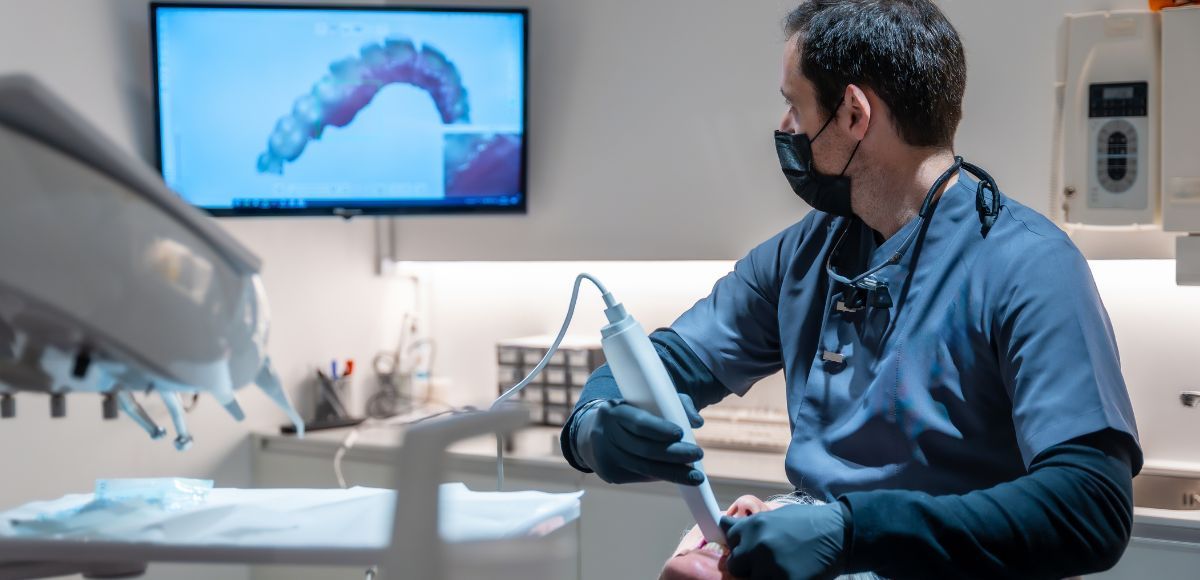
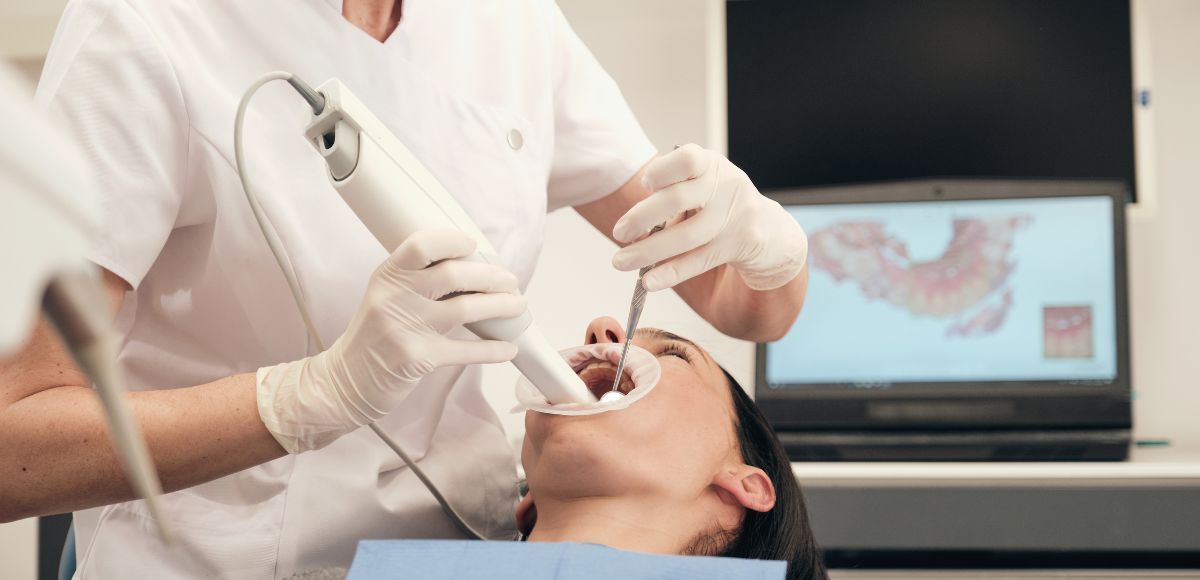
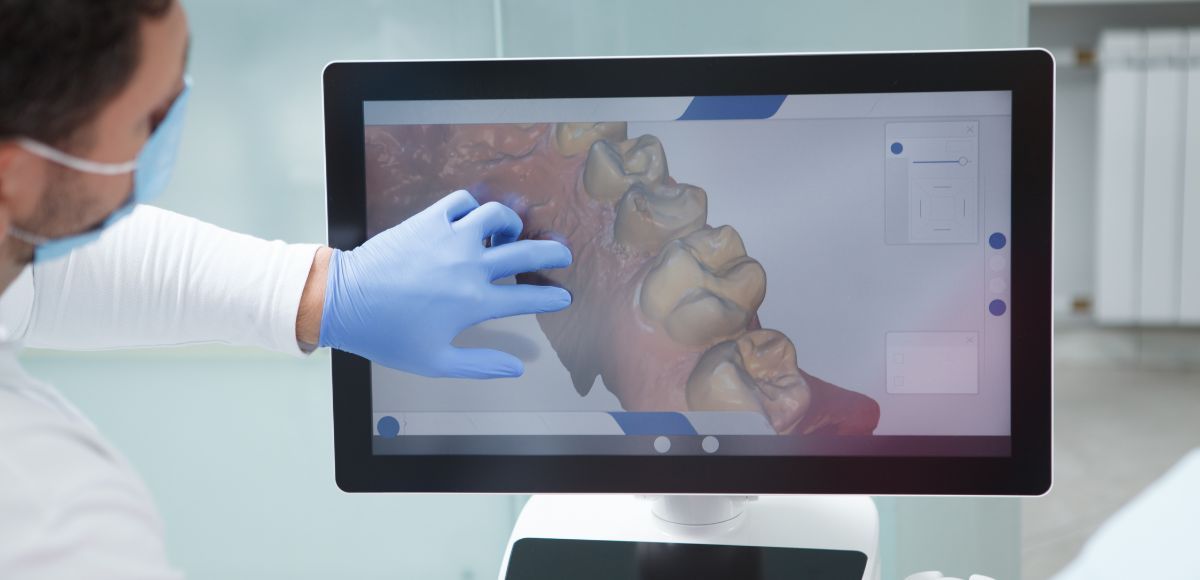
Most adults do well with a cleaning and exam twice a year, though your schedule may differ based on gum health and history. Our visits also include a 3D Dental Wellness Scan, which gives our team a detailed view of what is happening below the surface, so nothing gets missed. Strong home habits paired with consistent professional care are how you keep your teeth for life.
Make These Oral Hygiene Tips in North Austin Part of Lasting Wellness
Habits stick when they ride along with things you already do. Brush while your coffee brews. Floss during your evening show. Keep a water bottle at your desk so rinsing after lunch is automatic.
The goal is a routine that runs on autopilot, not willpower. Pairing your Smile Wellness Plan at Austin Elite Smiles with these daily steps gives you a clear schedule and removes the guesswork about what to do and when. Small, repeatable actions protect your teeth far better than occasional effort.
You do not need a perfect track record to start. Pick one habit to tighten this week, then add another. Steady, no-judgment progress is what protects a smile, and our team is here to support whatever stage you are starting from.
Ready to Protect Your Smile Between Visits?
Whether it has been six months or six years, you are welcome here exactly as you are. Schedule your visit at Austin Elite Smiles and let our team build a simple, personalized plan to keep your teeth healthy between cleanings.
Frequently Asked Questions
1. How many times a day should I brush my teeth?
Twice a day, for two full minutes each time, is the standard for most adults. Morning and night work well because it clears the plaque that builds up overnight and throughout the day. A timer, or an electric brush's built-in timer, helps you hit the full two minutes.
2. Is flossing really necessary?
Yes. Brushing cannot reach the surfaces between your teeth, and that is where a lot of decay and gum inflammation begins. Flossing once a day, with whatever tool you find easiest, fills that gap.
3. What foods are bad for your teeth?
Sticky candies, crackers, citrus, and sugary or acidic drinks are the hardest on enamel, especially when consumed slowly over a long stretch. It is less about cutting them out entirely and more about how often and how long they sit on your teeth. Rinsing with water afterward reduces the impact.
4. How does fluoride protect teeth?
Fluoride strengthens tooth enamel so it can better resist the acids that cause cavities. It can also help repair very early decay before it becomes a full cavity. Fluoride toothpaste twice a day provides most adults with solid daily protection.
5. How often should I see a dentist if I take good care of my teeth at home?
Most adults who follow consistent oral hygiene tips in North Austin do well with a professional cleaning and exam every six months.
Key Takeaways
- Use a two-minute timer or an electric brush's built-in timer, and angle the bristles toward the gumline rather than scrubbing flat across the teeth.
- Keep floss somewhere visible, next to your toothbrush or your remote, so the habit has a built-in trigger.
- Drink water after acidic or sugary foods, and wait about 60 minutes before brushing acidic items so you do not scrub softened enamel.
- Match your rinse to your goal: antimicrobial for gum health, fluoride for enamel, or skip alcohol-based formulas if you have dry mouth.
- Replace your toothbrush or brush head every 3 to 4 months, or sooner if the bristles splay.
- Anchor your cleaning schedule to a date you will remember so professional care never quietly slips off the calendar.