
What Is a 3D Dental Scan That Austin Patients Should Know
If you have heard your dental team mention a 3D dental scan that Austin offices now use and wondered what it actually does, you are not alone. This guide explains how the technology works, what it can catch early, and why it makes routine visits faster and far more comfortable. By the end, you will know exactly what to expect before your next appointment.
How Does a 3D Digital Dental Scan Work?
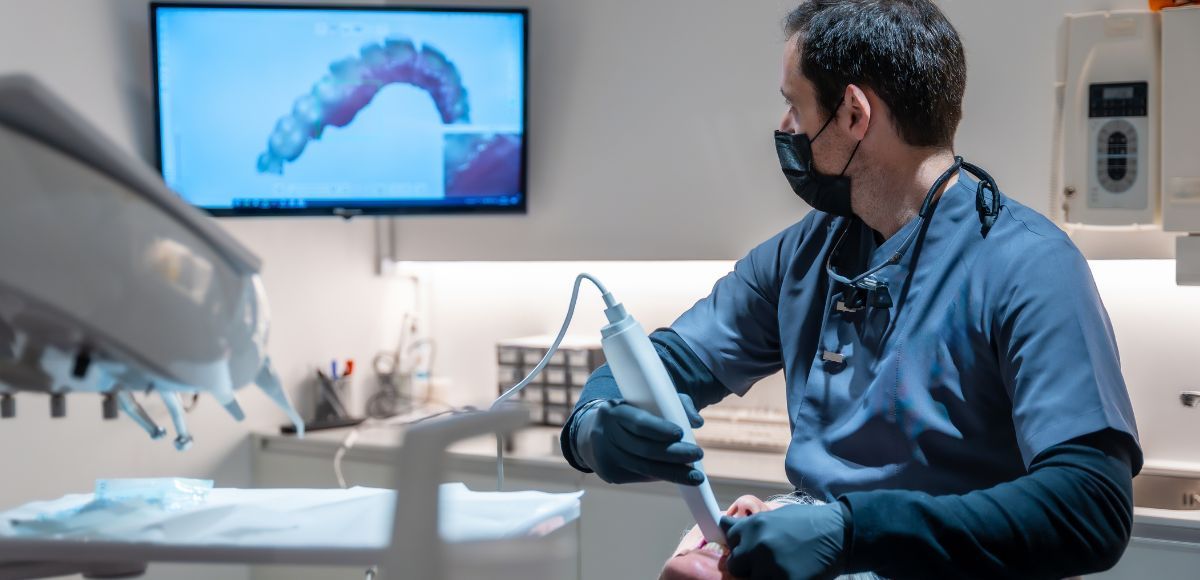
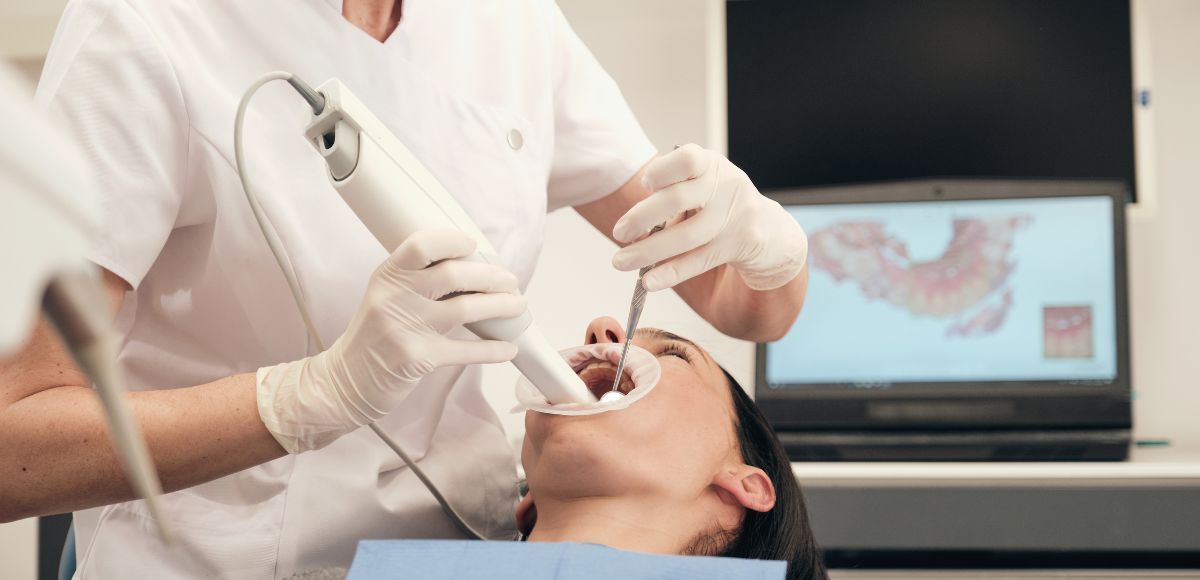
A 3D digital wellness scan replaces the old tray of putty with a small handheld wand. As a team member moves the wand around your mouth, it captures a rapid sequence of images and stitches them into a precise 3D model on a nearby screen. The result is a full digital map of your teeth, gums, and bite.
You watch the model build in real time, which makes the whole process easier to follow.
Most patients are surprised that an intraoral scan can capture a full arch in just a few minutes. There is no gagging on impression material and no waiting for molds to set.
What a Digital Dental Scan Can Detect
A 3D dental scan in Austin does more than capture shape. When paired with your exam, digital dental imaging helps our team spot concerns early, often before you feel anything.
Early enamel wear and small cracks that are hard to see with the eye
Areas where the gumline has started to recede
Bite imbalances that place uneven pressure on certain teeth
Changes in tooth position tracked across visits to catch gradual shifts early
Early decay screening signals that guide targeted X-ray review
Catching these patterns early matters because problems like tooth decay tend to develop quietly. A small change caught during a 3D dental scan in Austin can spare you a larger treatment down the road.
How an Intraoral Scan Makes Your Visit More Comfortable
For anyone who has dreaded the cold, bulky impression tray, this is the part that tends to win people over. A modern intraoral scan dentist uses a slim wand that glides along your teeth without the bulk and without triggering a gag reflex.
There is no bad taste, no material pressing against your gums, and no sitting still while a mold hardens. If dental visits make you anxious, the difference is real. If you need a moment, your care team can work at your pace throughout the scan.
For patients on our Smile Wellness Plan, these quick scans pair naturally with your routine visits to build a clear visual record over time.
3D Dental Scans vs Traditional X-Rays: What Is Different
This is a common question, and the short answer is that the two do different jobs. Dental X-rays look through your teeth and bone to find what the eye cannot see, such as decay between teeth or issues below the gumline. A 3D surface scan instead maps the outer shape of your teeth and gums in fine detail.
In practice, they work together. X-rays reveal internal structure, while the scan captures the surface and bite. Used side by side, they give our team a complete picture for planning care, whether that is a crown, a night guard, or Invisalign treatment planning.
On accuracy and safety, surface scanning uses safe light rather than radiation. Peer-reviewed research on intraoral scanner accuracy shows these systems can match or exceed traditional impressions for many uses.
What to Expect From Your 3D Dental Scan Austin Appointment
A first visit is easier when you know the steps. The 3D Digital Wellness Scan is built into comprehensive care at our office.
Here is exactly how it fits into your visit:
Step 1: A Quick Welcome and Review.
Before anything touches your mouth, our team talks through your concerns and any relevant history, so the scan is focused on what matters to you.
Step 2: The Scan Itself.
A team member moves a slim handheld wand along your teeth and gums. There is no putty, no tray, and nothing to bite down on. You can pause whenever you need to.
Step 3: Your Model Appears on Screen.
As the wand moves, a three-dimensional view of your mouth builds in real time right beside you. You watch it happen.
Step 4: A Walk-Through of What We See.
Our team points to specific areas on the model, from the bite to the gumline, so you understand your own mouth instead of just hearing about it.
Step 5: The Rest of Your Visit.
Your normal exam and cleaning continue from there, now informed by a clear, complete picture.
How Long Does a 3D Dental Scan Austin Visit Take?
The scan adds very little time to your appointment. Here is the short version:
- The scan itself takes only a few minutes per arch.
- A full-mouth scan can capture everything needed in well under 15 minutes.
- Your model appears on screen as it happens, so there is no waiting for lab molds.
- The rest of your appointment follows your normal exam and cleaning.
Will I See My Own Results?
Yes, and it is one of the most useful parts of the visit. You will see a 3D model of your own teeth on the screen beside you, and our team will walk through exactly what they are looking at in plain language. Nothing is hidden behind clinical language, so you are never left guessing.
That shared view is part of how we keep care clear and consistent with our no-judgment approach.
Making the Most of Your 3D Dental Scan Austin Visit
Pairing your scan with a steady care routine, like our general dentistry services, keeps small issues small.
If you have been curious about what a 3D dental scan in Austin actually involves, the easiest next step is to see it for yourself. Schedule your visit with our team and experience a faster, clearer way to understand your oral health.
Frequently Asked Questions
1. How does a 3D dental scan in Austin work?
A handheld wand captures thousands of images of your teeth and gums and combines them into a detailed three-dimensional model on screen. It records the shape, alignment, and bite without any putty or trays. You can watch the model form in real time during the scan.
2. Is a 3D dental scan safe?
Yes. Surface scanning relies on safe light to map your teeth and gums, so there is no radiation involved in the scan itself. It is comfortable for most patients and well-suited to people with a sensitive gag reflex.
3. What does a digital dental scan detect?
A scan can reveal early enamel wear, small cracks, gum recession, bite imbalances, and shifts in tooth position over time. Paired with your exam, it helps flag concerns early, often before symptoms appear. That early insight supports simpler, less invasive care.
4. How long does a full mouth scan take?
The scan usually takes only a few minutes per arch, and a complete capture is typically done in under fifteen minutes. You will see your results on screen right away. The rest of your appointment continues with your standard exam and cleaning.
5. Does a 3D dental scan replace X-rays?
No, the two serve different purposes. A scan maps the visible surface and bite, while X-rays show internal structure and what sits below the gumline. Used together, they give your dental team the fullest possible view for planning care.
Key Takeaways
- If impression trays make you uneasy, ask whether your next visit can use a digital scan instead.
- Use scans across visits to track small changes in your teeth and gums before they grow.
- Expect both a surface scan and X-rays for thorough planning, since each answers a different question.
- Ask to view your own 3D model during the appointment and have your team walk you through what they see.
- Keep a consistent home care and cleaning routine so anything a scan flags stays easy to manage.