
Why Do Gums Bleed When Brushing? A Dentist Explains
If you spot a little pink in the sink, you are not alone, and you are not in trouble. So why do gums bleed when brushing, and does it actually mean something? This guide walks North Austin adults through the real reasons it happens, what bleeding gums can signal about your health, and when it is genuinely worth booking a visit.
Bleeding Gums Are Common but Not Normal
Plenty of people see a streak of blood when they brush or floss and shrug it off as routine. It is common, but common and normal are two different things. Healthy gums do not bleed during everyday brushing.
Think of it the way you would think about skin on any other part of your body. If your forearm bled every time you washed it, you would pay attention. Your gums deserve the same curiosity, not panic.
The good news is that early bleeding is usually a signal you can act on, not a verdict. With the right preventative dental care in Austin, most cases reverse before they ever become serious.
The Most Common Causes: Why Do Gums Bleed When Brushing?
Most bleeding traces back to a short list of causes. Here are the ones we see most often, starting with the most likely.
Early Gum Disease (Gingivitis)
In the majority of cases, the answer is early gum disease. Plaque, a soft film of bacteria, builds up along the gumline and irritates the tissue. That irritation creates gum inflammation, and inflamed tissue is fragile, so it bleeds when a toothbrush or floss touches it. Caught at this stage, gingivitis is almost always reversible with a professional cleaning and a few adjustments at home.
Brushing Too Hard or Using a Firm Brush
Hard bristles and aggressive scrubbing can wear on healthy tissue until it bleeds. A soft brush and a gentle hand protect your gums far better than force.
Starting a New Flossing Routine
If you have not flossed regularly and you start again, your gums may bleed for the first week or two as they adjust. This usually settles on its own as the tissue gets healthier.
Hormonal Changes
Pregnancy and other hormonal shifts can make gums more sensitive and reactive, so they bleed more easily even with the same daily routine.
Certain Medications
Blood thinners and some other prescriptions can increase how much your gums bleed. It is worth mentioning any new medication at your next visit.
Nutritional Gaps
Low levels of vitamin C or vitamin K can affect how your gums respond and heal, which sometimes shows up as bleeding during brushing.
Why Do Gums Bleed When Brushing Suddenly?
When bleeding shows up out of nowhere, it is usually tied to a recent change, like a switch in your toothbrush, a new medication, a stressful stretch that disrupted your routine, or a lapse in flossing. If the change is recent and small, the fix is often just as small. If the bleeding sticks around for more than a couple of weeks, it is worth having our team take a look.
What Bleeding Gums Reveal About Your Health
Persistent gum inflammation has been associated with conditions like heart disease and diabetes, a connection the CDC outlines in its periodontal disease overview. That does not mean bleeding gums cause those problems, but ongoing inflammation anywhere in the body is worth understanding rather than ignoring.
This is why we treat bleeding gums as a wellness signal, not just a dental nuisance. Paying attention now is one of the simplest ways to protect both your smile and your long-term health. For many patients, asking why do gums bleed when brushing is the first step toward catching something that is still easy to address.
When to See a Dentist for Bleeding Gums
A one-time streak after a vigorous floss is rarely cause for concern. The pattern is different. The ADA's gum disease overview is a helpful reference, and these are the signs that mean it is time to come in:
- Bleeding that continues for more than two weeks
- Gums that are red, puffy, or tender most of the time
- Gums that look like they are pulling away from your teeth
- Persistent bad breath that does not clear with brushing
- Any looseness or shifting in your teeth
If any of these sound familiar, there is no judgment here. We see patients every week who wait because they feel embarrassed, and our only goal is to help you feel better and move forward.
What Your Gum Health Visit Includes
A visit for bleeding gums is calm and thorough. We start by listening to what you have noticed and reviewing your health history, because context matters.
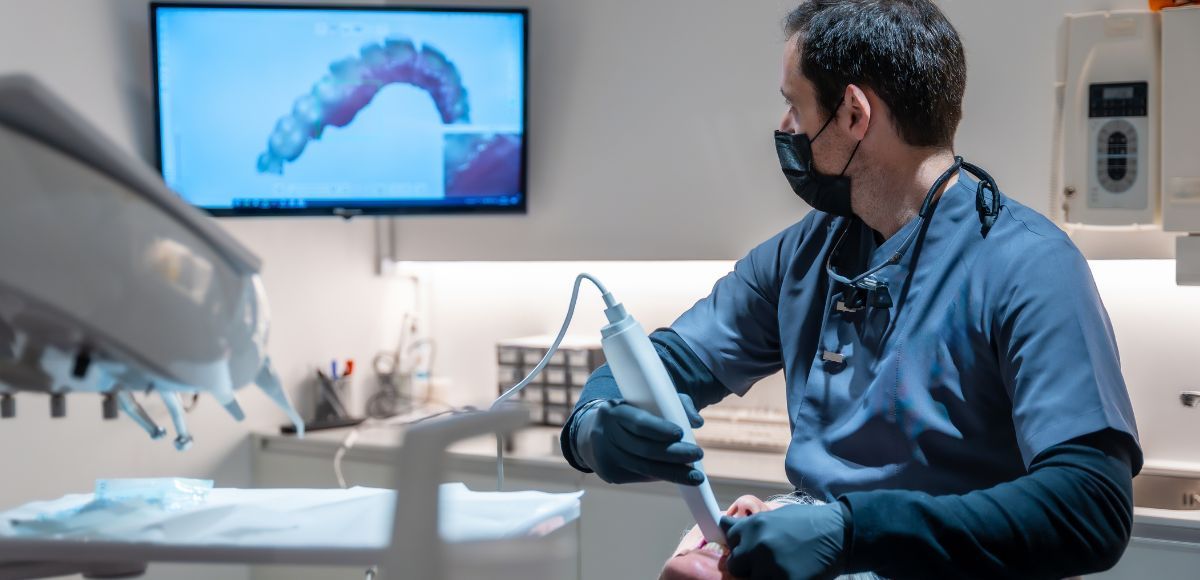
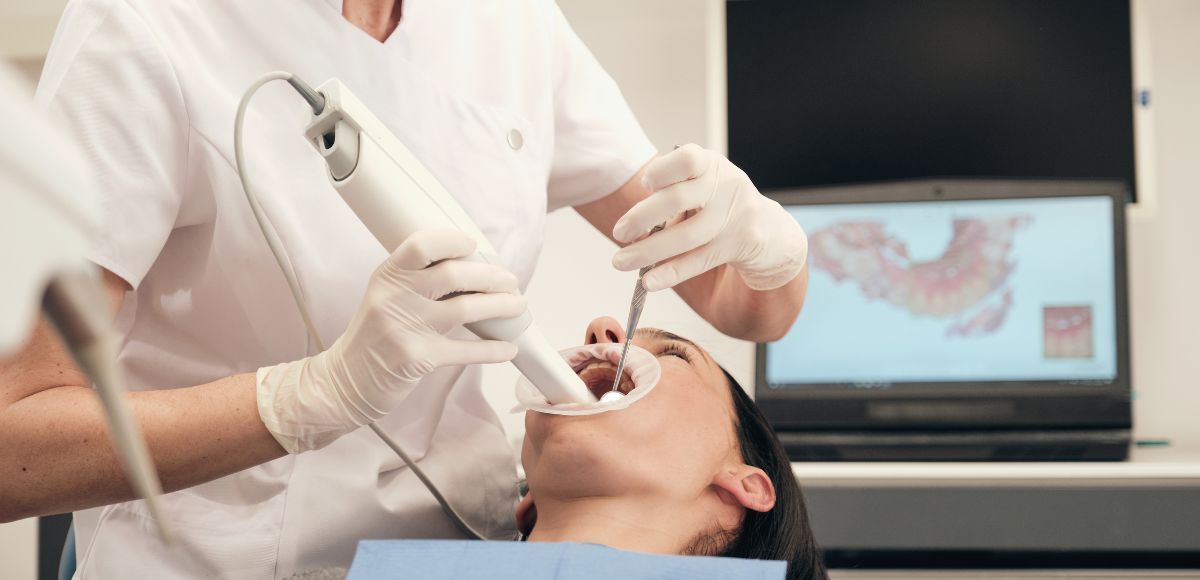
From there, a gentle exam tells us how your gums are doing and whether bacteria have moved below the gumline. Our 3D Digital Wellness Scan gives us a detailed, comfortable look at your gums and bone, so nothing gets missed.
Bleeding gum disease treatment in Austin is often straightforward. For more involved cases, we offer minimally invasive gum therapy that delivers medication deep below the gumline to target harmful bacteria where brushing and flossing cannot reach. As an AACD-accredited cosmetic and general dental practice serving Avery Ranch and North Austin, our team builds a plan around your comfort, not a one-size-fits-all script.
How to Reduce Bleeding Gums Between Visits
Professional care does the heavy lifting, but your daily habits decide how your gums respond between appointments. A few small, consistent changes make a real difference.
Brush twice a day for a full two minutes with a soft brush, angling the bristles gently toward the gumline. Floss once a day, and stick with it through the first tender week. Stay hydrated, and keep up with your routine teeth cleaning and prevention schedule so plaque never gets a head start. For ongoing support, a Smile Wellness Plan helps you stay consistent without overthinking it.
What to Do Next If Your Gums Bleed
Bleeding gums are your body's early warning, and early warnings are good news because they give you time to act. In most cases, the cause is reversible, the fix is gentle, and the path forward is simple. The patients who do best are the ones who notice, stay curious, and reach out before a small signal becomes a bigger one.
Book Your Gum Health Visit
Noticing blood when you brush is worth a closer look, and it does not have to be stressful. If you have been wondering why gums bleed when brushing, one visit gives you a clear answer and a gentle path forward. Schedule a visit with our team and let us help you get your gum health in Austin back on track, comfortably, and at your pace.
Frequently Asked Questions
1. Is it normal for gums to bleed when brushing?
It is common, but it is not normal. Occasional bleeding after restarting a flossing routine can settle within a week or two, but ongoing bleeding almost always signals early gum inflammation that is worth checking with a dental exam.
2. What causes gums to bleed?
The most frequent cause is plaque buildup along the gumline that leads to early gum disease. Other causes include brushing too hard, a brand-new flossing routine, hormonal changes, certain medications, and nutritional gaps. A dental exam can pinpoint which one applies to you.
3. When should I see a dentist about bleeding gums?
See a dentist if the bleeding lasts more than two weeks, if your gums are red, swollen, or tender most of the time, or if you notice gum recession, loose teeth, or persistent bad breath. These signs suggest the issue needs professional attention.
4. Can bleeding gums be reversed?
Yes, in most early cases. Gingivitis, the earliest stage of gum disease, often reverses with a professional cleaning and improved daily care. The earlier it is addressed, the more straightforward the path back to healthy gums.
5. Does flossing make bleeding gums worse?
Not in the long run. If you have recently restarted flossing, mild bleeding for a week or two is normal as your gums adjust. Consistent, gentle flossing actually helps the bleeding stop because it removes the bacteria causing the irritation.
Key Takeaways
- Treat bleeding gums as an early signal to act on, not a problem to ignore, since most early cases are reversible.
- If bleeding lasts longer than 2 weeks or is accompanied by swelling or recession, book a professional exam rather than waiting it out.
- Switch to a soft-bristled brush and a gentle technique to avoid irritating healthy tissue.
- Push through the first tender week of a new flossing routine, as short-term bleeding usually settles as your gums adjust.
- Stay on a consistent cleaning and prevention schedule so plaque never gets the chance to inflame your gums in the first place.