
How Often Should You Visit the Dentist in Austin by Age and Risk
Most people assume twice a year is the rule for everyone, but that is not quite true. If you have been wondering how often you should visit the dentist, Austin adults have more options than a single answer can capture. The honest version comes down to your age and your personal risk, not a single number that fits every mouth. This guide breaks down what changes at each adult life stage, what raises your risk, and how to land on a visit schedule you can actually keep.
The Twice-a-Year Rule, and Why It Isn't the Whole Story
The idea of seeing your dentist every six months has been around so long that most people treat it as law. It is a sensible baseline, and for plenty of healthy adults, it works perfectly well. The problem is that it was never meant to be a one-size answer.
These days, frequency is matched to the person. The American Dental Association's guidance on dental visits favors a schedule tailored to your individual needs rather than a fixed calendar rule. For some patients, that means twice a year. For others, it means more often, and a smaller group can safely stretch their visits a little further.
The real question is what your own mouth needs, which is where risk comes in.
How Often Should You Visit the Dentist in Austin? Start With Your Risk Level
Your risk level is the single biggest factor in how often you should come in. Two adults of the same age can need very different schedules.
You are generally considered lower risk if you have healthy gums, little to no history of cavities, no active gum disease, and a solid home routine. Many lower-risk patients do well with a standard twice-a-year preventative dental care schedule, sometimes with a bit of flexibility. A routine dental health check in Austin appointment every six months is typically sufficient for this group.
Higher risk looks different. You may fall into this group if you have any of the following:
- A history of frequent cavities or recent fillings
- Active or past gum disease
- Dry mouth, often tied to common medications
- Diabetes or another condition that affects healing
- Habits like smoking or nighttime grinding
For higher-risk adults, every three to four months is often the smarter rhythm. The CDC notes that gum disease is common among adults, and catching it early is far easier than reversing it later. More frequent visits are simply how we stay ahead of problems while they are still small.
A Visit Schedule by Adult Life Stage: Your 30s Through Your 60s and Beyond
Your needs shift as you move through adulthood, even if your brushing habits remain the same. Here is how the picture tends to evolve.
Your 30s and 40s: Protecting the Foundation
This is the stage where habits either pay off or quietly catch up with you. Busy careers and packed schedules push dental visits to the bottom of the list, and small issues can slip by unnoticed. Staying consistent now protects you from the more involved work that gum recession and worn enamel can bring later.
Your 50s and 60s: Monitoring What Has Changed
Things change in midlife and beyond, and your schedule should reflect that. Gum recession exposes more of each tooth, dry mouth from medications reduces your natural protection, and decades-old dental work needs closer monitoring. Many adults in this stage benefit from more frequent routine dental exams, so any shifts get caught early rather than during an emergency.
Warning Signs That Mean You Shouldn't Wait for Your Next Visit
Some things should not wait for a scheduled appointment, no matter where you are in your usual rhythm. Your mouth is good at sending early signals when something needs attention.
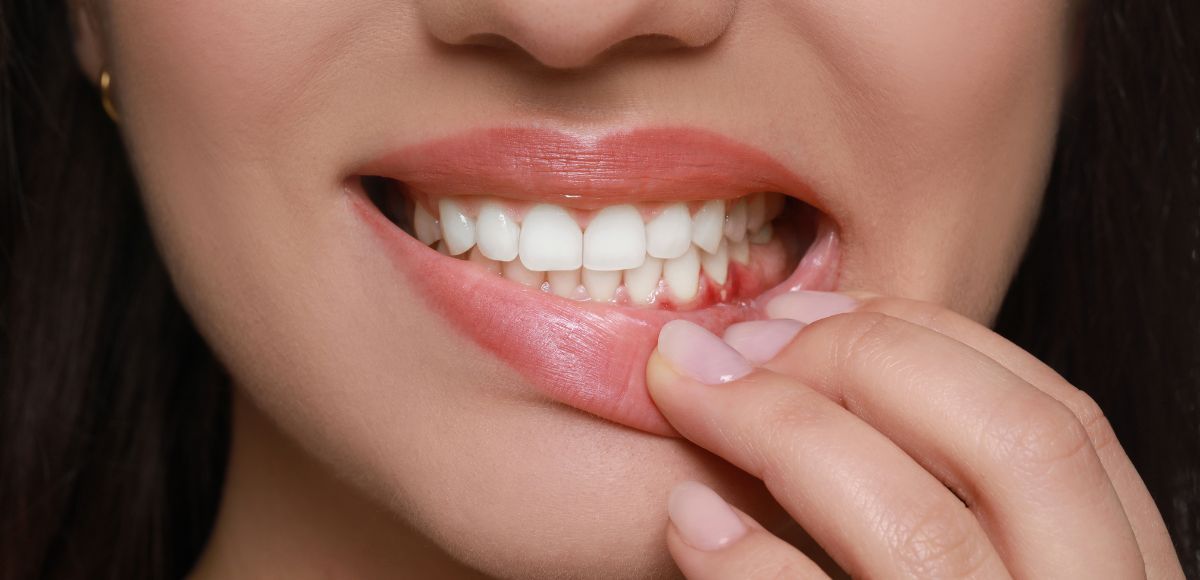
Call sooner rather than later if you notice bleeding gums that do not resolve, lingering sensitivity to hot or cold, a tooth that aches or feels loose, a sore that has not healed in 2 weeks, or persistent bad breath. None of these means you did something wrong. They simply mean your mouth is asking for a closer look.
What Skipping Too Many Visits Can Lead To
When visits stretch out for years, the issue is rarely what you can see in the mirror. It is what is happening underneath. A small spot of decay that could have been handled simply has time to grow, and early gum inflammation has room to advance into something harder to treat.
Tooth decay develops gradually, which is exactly why regular checks matter so much. The whole point of a steady schedule is to catch the quiet problems before they turn loud. If it has been a while since your last visit, you are not behind and if you are still deciding how often you should visit the dentist in Austin, our team will figure that out together at your first appointment.
How Our Team Builds Your Personalized Visit Schedule
We do not hand out the same calendar to every patient. Austin Elite Smiles is an AACD-accredited cosmetic and general dental practice serving Avery Ranch and North Austin, and our team pairs comprehensive, personalized care with a board-certified periodontist and advanced diagnostics, so your plan reflects your real health. AACD accreditation is one of the most rigorous credentials in cosmetic dentistry, and it shapes how carefully we assess each mouth.
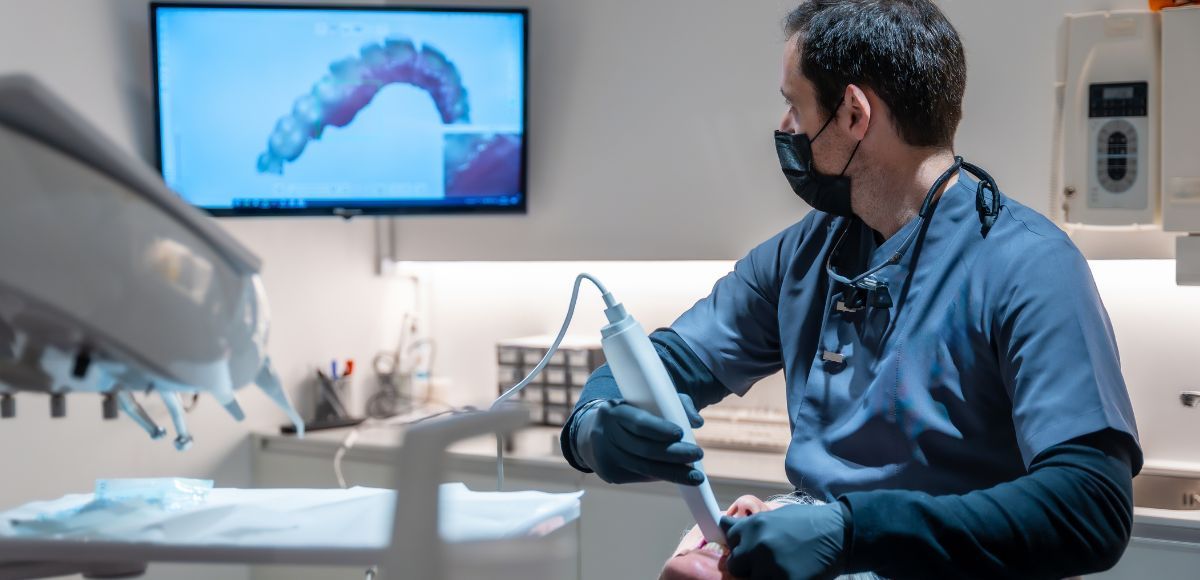
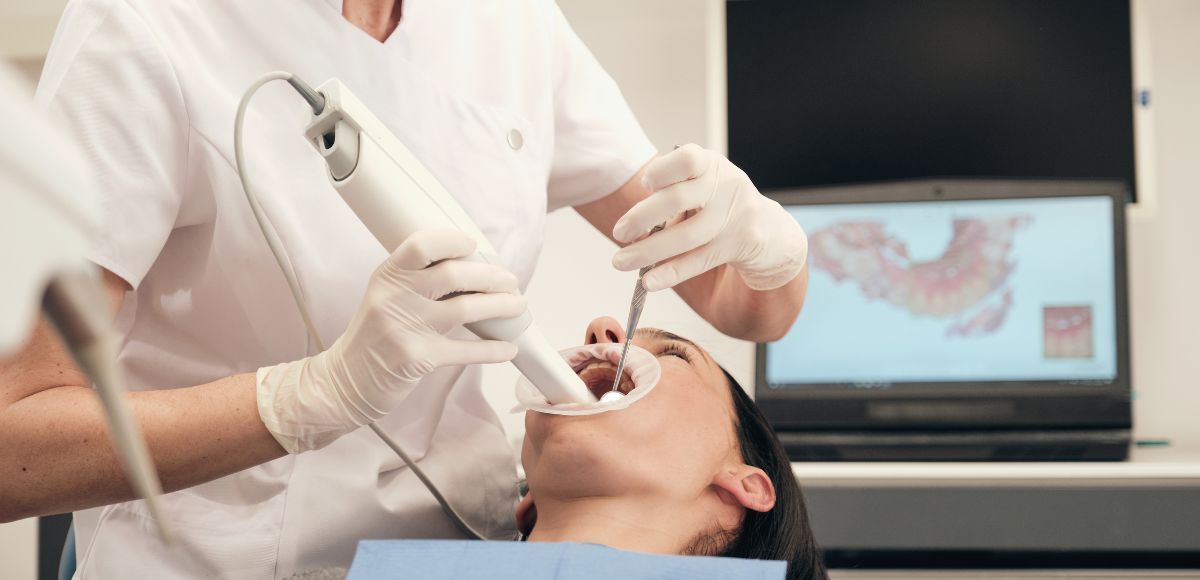
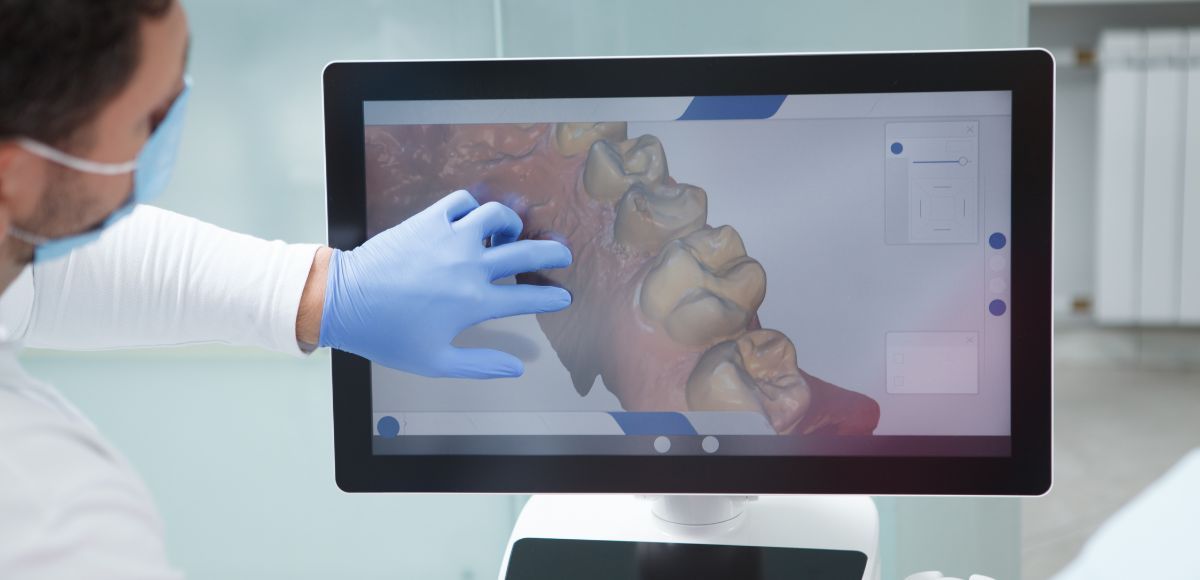
Your schedule starts with a full picture. Our 3D Dental Wellness Scan helps us see what a standard glance can miss, so we can spot risk factors early and track changes over time. From there, we map your visits to your needs and revisit the plan as things change. For a new patient dental check in Austin, we begin with this comprehensive assessment. Many patients find that a structured option like our Smile Wellness Plan makes staying consistent feel simple instead of stressful.
The Right Visit Schedule for North Austin Adults
The short answer is that twice a year is a fair baseline, but your age and your risk are what truly set the rhythm. Healthy, lower-risk adults often do well on the standard schedule, while higher-risk patients and those in their 50s and beyond usually benefit from coming in more often. The best routine dental checkup near me is the one built around you and the one you can actually keep.
Ready to Set a Schedule That Fits Your Life?
You do not have to guess at the right number on your own. Book your visit, and our team will assess where you stand and build a visit schedule designed around your health and your life.
Frequently Asked Questions
1. How often should adults see the dentist?
Most healthy adults do well with a checkup and cleaning every 6 months. That said, your ideal frequency depends on your gum health, cavity history, and risk factors, so some adults need more frequent visits while a lower-risk few can space them out slightly.
2. Do I need a dental checkup every six months?
Six months is a long-standing baseline, not a strict rule for everyone. Lower-risk patients often fit that pattern well, while higher-risk patients usually need to come in more often. The right interval is the one matched to your individual needs.
3. How often should higher-risk patients visit the dentist?
When asking how often should you visit the dentist in Austin with higher risk factors like gum disease, frequent cavities, dry mouth, or diabetes, every three to four months is typically the answer. Coming in more frequently lets our team catch and manage problems while they are still small and easier to treat.
4. What happens if you skip dental visits?
Skipping visits gives small, easy-to-miss problems time to grow into larger ones. Early decay can deepen, and mild gum inflammation can progress, which is why a steady checkup schedule protects your long-term oral health.
5. Is it ever too late to get back on a regular schedule?
It is never too late, and there is no-judgment about how long it has been. Whatever your starting point, a fresh exam gives our team what they need to rebuild a schedule that protects your smile.
Key Takeaways
- Treat twice a year as a baseline, then adjust your schedule up or down based on your personal risk.
- If you have gum disease, frequent cavities, dry mouth, or diabetes, plan to come in every three to four months.
- Reassess your visit frequency as you move through your 40s, 50s, and 60s, since aging changes your gum and enamel needs.
- Do not wait for a scheduled appointment if you notice bleeding gums, lingering sensitivity, a loose tooth, or a sore that will not heal.
- Ask for a risk assessment so your visit schedule is built around your mouth rather than a generic calendar.