
Dental Implant Recovery in Austin: A Week-by-Week Timeline
If you are preparing for a dental implant or just had one placed, knowing what to expect in the weeks ahead makes the whole process easier to manage. Recovery unfolds in predictable stages, and this guide walks you through each one.
What Dental Implant Recovery in Austin Looks Like Right After Placement
The first 24 to 48 hours set the tone for your healing. Right after placement, you can expect some bleeding, mild swelling, and a numb feeling that fades as the anesthetic wears off. This is simply your body responding to a minor surgical site, not a sign that something is wrong.
A dental implant is a small titanium post placed into the jawbone, where it eventually anchors a crown, bridge, or denture. The American Dental Association's overview of dental implants explains why this material is used: it is biocompatible and bonds reliably with living bone. Protecting that bond early is how you give recovery its best start.
For the first two days, rest, keep your head propped up, and stick to cold, soft foods. Bite gently on the gauze we provide, and avoid rinsing forcefully, spitting, or using a straw, since suction can disturb the clot forming at the site.
Week 1: Managing Swelling, Discomfort, and Diet
Swelling peaks around day two or three, then begins to settle. A cold compress on the cheek in short intervals helps during the first 48 hours; gentle warmth soothes after that. Any discomfort is usually manageable with the pain relief plan we send home with you.
Diet matters more this week than almost any other part of dental implant aftercare. Think smoothies, yogurt, scrambled eggs, mashed potatoes, and soup that is warm rather than hot. Chew on the opposite side of your mouth, and add firmer foods back only as comfort allows.
Keeping the area clean without disturbing it is a balance. Most patients resume gentle brushing of the other teeth the next day, and we give specific instructions for rinsing near the implant. If throbbing pain worsens after day three instead of easing, call us.
Weeks 2 to 4: Early Healing and What Is Happening Below the Surface
By the start of week two, the visible signs of surgery have usually calmed down. The gum tissue is closing, bruising has faded, and many patients feel close to normal on the surface. The more important work is happening where you cannot see it.
This is when your dental implant healing timeline shifts from soft-tissue recovery to bone activity. Beneath the gum, bone cells grow toward and around the titanium post. You will not feel it, but it is the foundation on which everything depends.
Most adults return to desk work within a day or two and to light routines soon after. Keep meals soft a little longer than you think you need to, stay gentle with cleaning, and avoid testing the implant by pressing or wiggling it.
Months 2 to 3: Osseointegration and Returning to Normal
The centerpiece of this stage is osseointegration, where the jawbone fuses securely with the implant. For most patients across Austin, Cedar Park, and Avery Ranch, this takes about two to three months, though the exact timeline depends on your bone quality, the implant location, and how closely you follow aftercare. We confirm progress with a follow-up exam before the next step.
Once osseointegration is complete, we attach the abutment and final restoration, the visible tooth that restores your bite and smile. This is the moment most patients wait for.
By this point, dental implant recovery in Austin feels less like recovery and more like living normally again. You can eat what you enjoy, speak without worry, and care for the implant much like a natural tooth, backed by routine general dentistry visits. If you are still weighing your options, here are some of the reasons more people are choosing dental implants over other tooth-replacement choices.
Warning Signs to Watch For During Recovery
Complications are uncommon, but knowing the warning signs gives you peace of mind. Contact us promptly if you notice increasing pain several days after surgery, swelling that grows instead of shrinks, persistent bleeding, a bad taste or discharge, or an implant that feels loose.
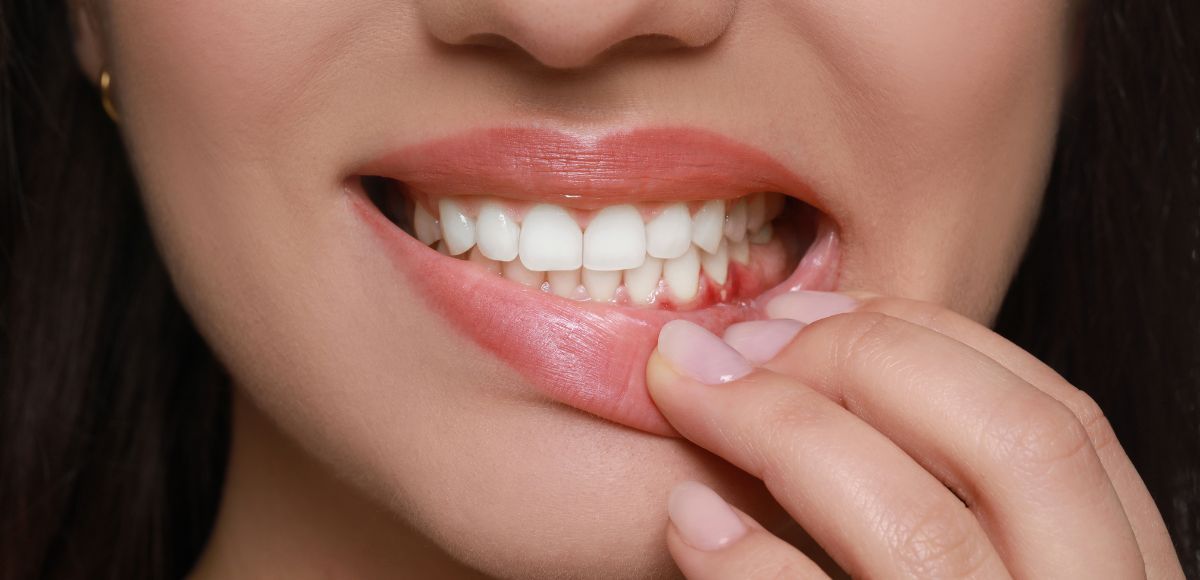
Gum health around the implant matters for life, not just during healing. Bleeding or tender gums near the site can signal a problem, and the same risk factors that drive gum disease, such as smoking, can slow healing and threaten long-term success. Catching these early is far easier than reversing them later.
None of this is meant to alarm you. Treat it as a simple checklist and reach out early, because there is no such thing as an overreaction when protecting the work we did together
Tips from Our Periodontist to Support Faster Healing
A few habits make a real difference across the whole dental implant healing timeline.These are the recovery tips our team shares with nearly every patient:
- Prioritize sleep and hydration in the first week, since both support tissue repair.
- Avoid smoking and alcohol, two of the most common reasons healing stalls.
- Clean the implant site using the exact technique we demonstrate, rather than aggressive brushing that irritates the area. Take pain relief on schedule instead of waiting for it to build. And keep every follow-up appointment, because a quick check lets us confirm progress or adjust early.
Consistent daily cleaning and keeping follow-up appointments do more for long term implant success than any single action in the first week.
Start Your Dental Implant Recovery in Austin the Right Way
If you are missing a tooth or replacing an older restoration, the best next step is a conversation about your goals and bone health. Our team will walk you through candidacy, timing, and what your personal recovery would look like, with no pressure and a no-judgment approach. Book a consultation today or reach us directly at 512-866-3800 and our team will walk you through candidacy, timing, and what your recovery would look like.
Frequently Asked Questions
1. How long does dental implant recovery take?
The visible healing settles within the first week or two, but full recovery depends on osseointegration, which typically takes two to three months. We monitor your progress and confirm the implant is ready before the final restoration. Your exact timeline can vary with bone quality and how closely you follow aftercare.
2. What can I eat after a dental implant?
For the first few days, we recommend cool, soft foods like smoothies, yogurt, scrambled eggs, and soup that is warm rather than hot. As comfort improves over the following weeks, you can gradually add firmer foods, chewing on the opposite side of the implant. We give every patient specific guidance based on the placement.
3. Is dental implant recovery painful?
Most patients describe the discomfort as milder than expected, closer to a tooth extraction than major surgery. Swelling and soreness usually peak around day two or three, then ease steadily. The pain relief plan we send home keeps the first week comfortable for most patients.
4. What are the signs of implant failure?
Warning signs include increasing pain days after surgery, swelling that worsens, persistent bleeding, discharge or a bad taste, or an implant that feels loose. These are uncommon, but if you notice any of them, contact us right away so we can evaluate the site. Early action almost always leads to a better outcome.
5. When can I go back to normal activity after a dental implant?
Many patients return to desk work within a day or two and to light daily routines within the first week. We usually suggest holding off on strenuous exercise for several days to protect the healing site. Our team gives you a personalized timeline at your follow-up.
Key Takeaways
- Plan for stages, not a single healing date: expect the most noticeable recovery in week one and full osseointegration over two to three months.
- Stick to cool, soft foods for the first several days and add firmer textures back gradually to protect the surgical site.
- Skip smoking, alcohol, straws, and forceful rinsing during early healing, since all four can disrupt the clot and slow bone integration.
- Watch for worsening pain, growing swelling, discharge, or a loose implant, and call us promptly if any appear.
- Keep every follow-up appointment so we can confirm osseointegration before placing your final restoration.