
Dental Crowns in Austin, TX: When You Need One
A dental crown in Austin, TX, is a custom cap placed over a damaged tooth to restore its strength, shape, and appearance.
If you have a cracked, worn, or weakened tooth, a crown can protect it for years and blend right in with your natural smile.
What Are Dental Crowns and How Do They Work
A dental crown is a tooth-shaped cap that fits over your existing tooth above the gumline. Made from materials such as porcelain, zirconia, or ceramic, it completely covers the visible portion of the tooth.
Once it's bonded into place, the crown takes on the work your natural tooth used to do, including biting, chewing, and looking like a normal part of your smile.
If you've been searching for dental crowns in Austin, TX, the good news is that the technology behind them has come a long way. Today's crowns are stronger, more natural-looking, and easier to fit than ever. According to the National Institute on Aging, dental restorations, such as crowns, help preserve healthy tooth structure when decay or damage has weakened the original tooth.
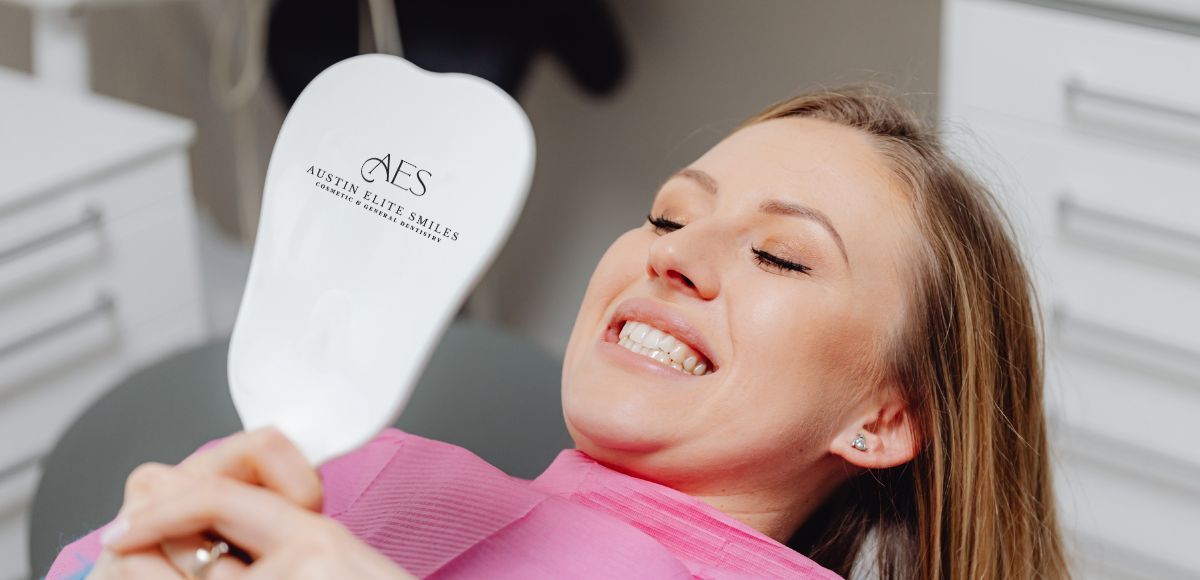
At Austin Elite Smiles, we use crowns as part of our broader cosmetic dentistry and general dentistry care, so the result looks like it belongs in your mouth.
Common Signs You May Need a Dental Crown in Austin
Most people don't wake up thinking about crowns. They usually find out they need one during a routine checkup or after something unexpected happens with a tooth.
Some common signs to watch for include:
- A large filling that keeps cracking or wearing down
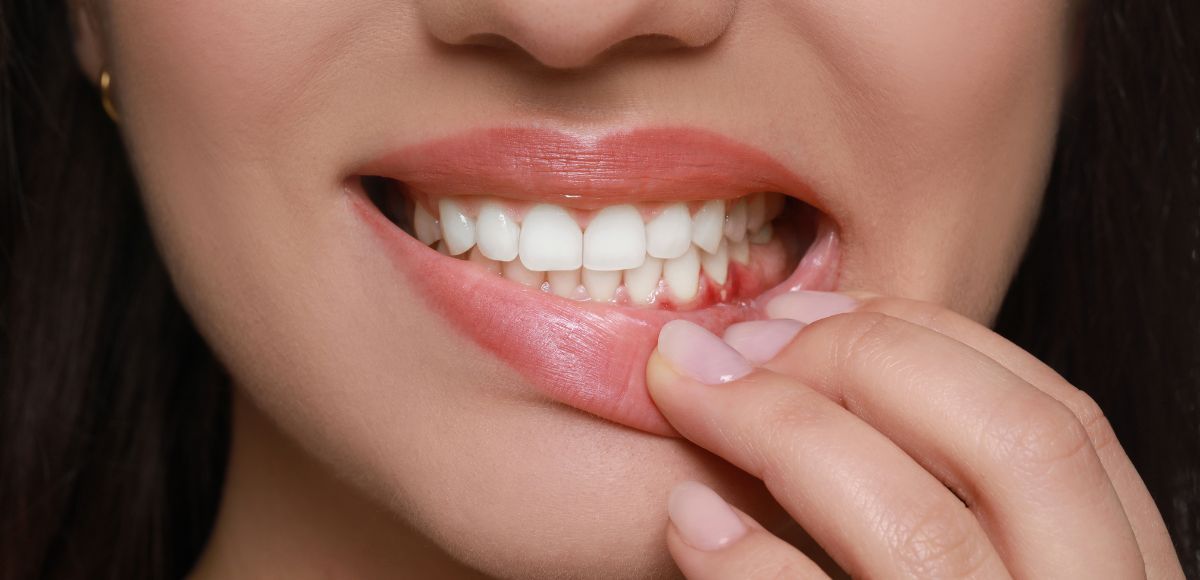
- A tooth that's chipped, cracked, or broken
- Pain or sensitivity when biting, especially after a previous root canal
- A worn-down tooth from grinding or clenching
- A discolored or oddly shaped tooth that other treatments can't fully fix
The Centers for Disease Control and Prevention reports that nearly 1 in 4 adults aged 20 to 64 have untreated dental decay, which can eventually progress to the point where a crown becomes necessary. Catching damage early gives you more options and tends to make treatment simpler.
If anything on the list above sounds familiar, it's worth booking a consultation. Many of our patients come in unsure whether they need a crown, a filling, or something else, and we walk them through every option with no judgment.
Types of Dental Crowns
Not every dental crown in Austin, TX is the same. The right material depends on which tooth needs a crown, how much pressure it handles, and how natural you want it to look.
Porcelain
Popular for front teeth because they reflect light similarly to enamel and blend in with the rest of your smile. If you've been searching for a porcelain crown dentist near me, this is the option most patients ask about.
Zirconia
Known for their strength and toughness, making them a good fit for back teeth that handle most of your chewing.
Porcelain-fused-to-metal (PFM)
Combine the strength of metal underneath with a tooth-colored outer layer.
Ceramic
Offer a metal-free option with a natural appearance, often chosen by patients with metal sensitivities.
Gold or metal alloy
Extremely durable, though they're less common for visible teeth.
During your consultation, our team will walk you through which option best fits your situation. We use high-quality materials made in the USA.
The Dental Crown Procedure at Austin Elite Smiles: Step by Step
Knowing what to expect tends to make the whole experience feel much easier. Here's how the process usually goes at our Avery Ranch office:
1. Consultation and exam
We start with a careful look at the tooth, often using a 3D digital wellness scan to get a clear picture of what's happening beneath the surface. From there, we talk through your options.
2. Tooth preparation
The tooth is gently shaped so the crown will fit comfortably over it. We numb the area first so you stay comfortable the whole time.
3. Digital scans
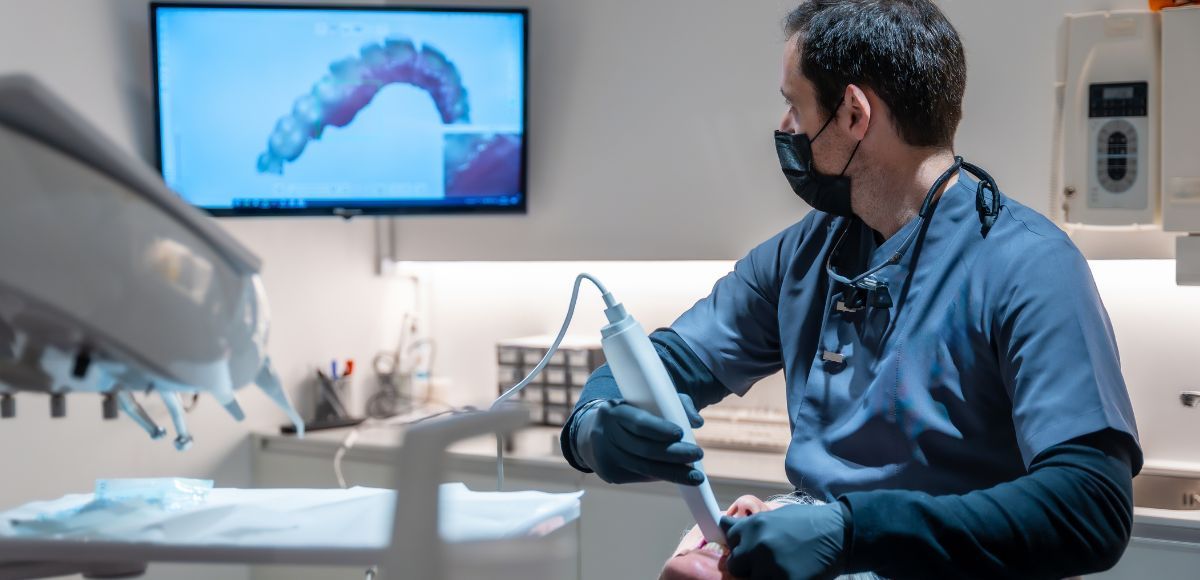
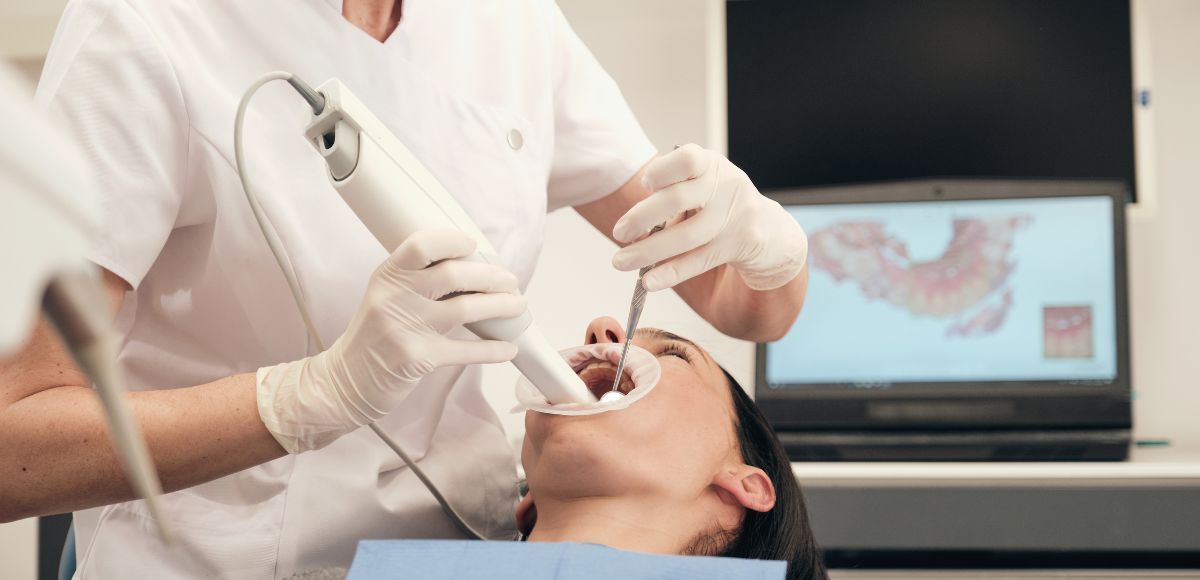
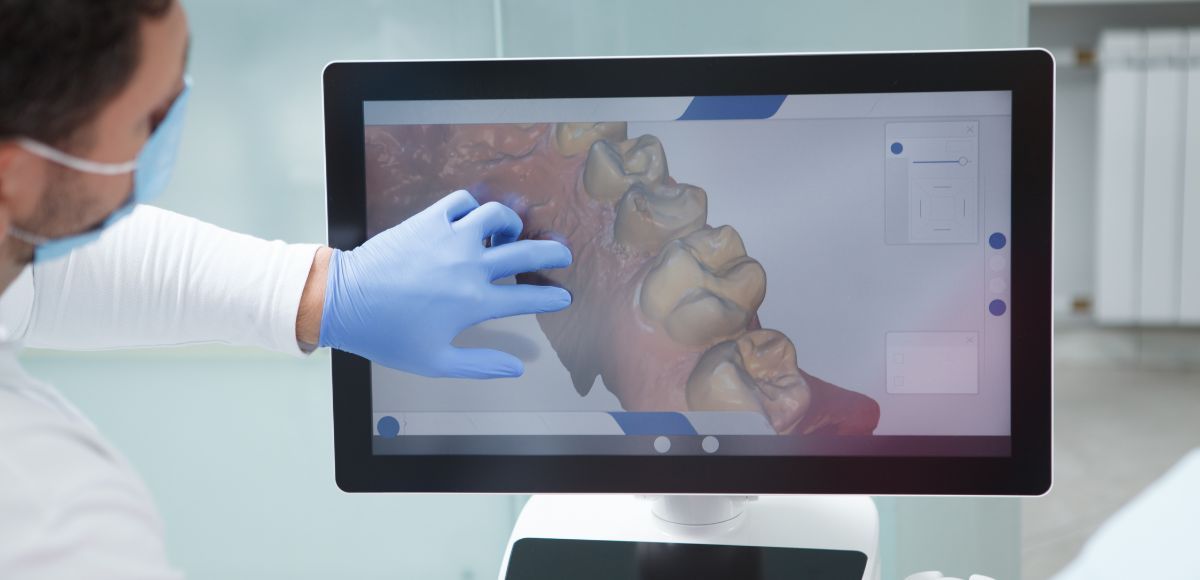
Instead of messy putty impressions, our digital scanners capture an accurate image of your tooth in just a few minutes.
4. Temporary crown
While your permanent crown is being made, you'll wear a temporary one that protects the tooth and lets you go about your day.
5. Final fitting
Once your custom crown is ready, we check the fit, color, and bite, then bond it into place.
Most patients tell us the visit was much more relaxed than they expected, especially with our heated massage chairs, noise-canceling headphones, and warming blankets.
Veneers vs. Crowns Comparison: Which One Is Right for You
People often ask about veneers and crowns in the same conversation, and it's easy to see why. Both can change how a tooth looks. The difference comes down to how much of the tooth they cover and what they're meant to do.
- Veneers are thin shells bonded to the front of the tooth. They're mostly cosmetic and work well for chips, stains, small gaps, or minor shape changes.
- Crowns cover the entire tooth and are usually recommended when the tooth itself is weakened, broken, or has had a root canal. They restore both function and appearance.
If you're focused mainly on the look of an otherwise healthy tooth, veneers may be a good fit. If the tooth needs structural support, a crown is usually the better call. Many of our patients combine treatments as part of a fuller smile makeover.
How Long Dental Crowns Last and How to Care for Them
A well-made crown can last a long time. Research published by the National Library of Medicine shows that modern dental crowns typically last 10 to 15 years, and many last well beyond that with proper care. The lifespan depends on the material, the tooth's position, and your daily habits.
To get the most out of your crown:
- Brush twice a day and floss around the crown like you would any other tooth
- See your dentist for regular cleanings and checkups, so small issues are caught early
- Skip chewing on ice, hard candy, or pen caps, which can chip both crowns and natural teeth
- Wear a nightguard if you grind your teeth, since grinding can wear crowns down faster
- Avoid using your teeth as tools for opening packages or bottles
A consistent routine of preventative dental care goes a long way toward protecting your crown and the rest of your smile. And when the time eventually comes for a dental crown replacement, Austin patients can count on a smooth process at our Avery Ranch office.
Bring Your Smile Back with Dental Crowns in Austin, TX
A custom dental crown is one of the most reliable ways to bring a damaged tooth back to full strength while keeping your smile looking natural. Whether the issue is a chip, a worn-down tooth, or something more involved, the right crown can quietly do its job for years.
Ready to Talk About a Crown?
At Austin Elite Smiles, we welcome anyone who's been thinking about a crown, whether you're sure you need one or just want a second opinion. Our team takes the time to listen, walk you through your options, and help you feel comfortable with whatever direction you choose. Book a free consultation at our Avery Ranch office at 512-843-0676 or office@austinelitesmiles.com to set up a consultation.
Frequently Asked Questions
1. When do you need a dental crown?
You may need a crown if a tooth is cracked, worn, broken, has a large filling, or has had a root canal. A consultation helps our team decide if it's the right option for your specific tooth.
2. How long do dental crowns last?
Most crowns last 10 to 15 years, though many last longer with good oral hygiene and regular checkups. Material choice and daily habits play a big role.
3. What is the dental crown procedure like?
The visit usually involves a quick exam, gentle preparation of the tooth, a digital scan, a temporary crown, and a final fitting once your permanent crown is ready. Most patients find it much easier than they expected.
4. What are the different types of dental crowns in Austin, TX?
Common options are porcelain, zirconia, ceramic, porcelain-fused-to-metal, and metal alloy. Each one has its own strengths depending on which tooth needs the crown and how it will be used.
5. Can a dental crown fix a cracked tooth?
In many cases, yes. A crown covers the entire tooth and helps hold a cracked tooth together so it can keep working normally for years.
Key Takeaways
- Dental crowns are custom caps that restore strength, function, and appearance to damaged teeth.
- Common reasons for a crown include large fillings, cracks, root canals, worn teeth, and shape concerns.
- Materials include porcelain, zirconia, ceramic, PFM, and metal, with each suited to different teeth.
- The procedure is straightforward and patient-friendly thanks to modern digital tools.
- With proper care, crowns commonly last 10 to 15 years or longer.