
Curodont Treatment in Austin That Prevents Cavities
Curodont treatment in Austin offers a non-invasive way to stop early tooth decay before drilling or fillings are required. This advanced method encourages natural enamel repair and preserves healthy tooth structure, making it ideal for patients with early-stage decay. At Austin Elite Smiles, our prevention-first approach helps determine if Curodont aligns with your long-term oral health.
What is Curodont Dental Treatment?
Curodont is a biomimetic dental treatment designed to halt and reverse early-stage tooth decay before a cavity fully forms. Unlike traditional dental fillings that remove decayed material, Curodont supports the tooth’s natural remineralization through a simple, non-invasive procedure, with no drilling, anesthesia, or removal of healthy tooth structure.
For patients seeking early cavity treatment in Austin, Curodont offers a conservative option when decay is detected at its earliest stage. At Austin Elite Smiles, careful diagnostics and thorough examinations determine whether the lesion is suitable for this type of minimally invasive care.
5 Ways Curodont Prevents Tooth Decay Naturally
Curodont treatment in Austin supports the body’s natural repair mechanisms in five clinically significant ways to help prevent cavity progression.
1. Promotes Enamel Remineralization
The peptide-based formula creates a scaffold within weakened enamel and attracts essential minerals such as calcium and phosphate. This process supports the rebuilding of tooth structure at a microscopic level.
2. Stops Decay in Its Earliest Stage
When applied to non-cavitated lesions, Curodont can interrupt decay before a physical cavity develops. Early intervention helps avoid invasive procedures.
3. Preserves Healthy Tooth Structure
Because drilling is not required, Curodont maintains natural enamel. Preserving intact tooth structure helps reduce the long-term restoration cycle that often follows traditional fillings.
4. Reduces the Need for Anesthesia
Curodont offers a comfortable, minimally invasive application. In appropriate cases, this eliminates the need for numbing and improves the overall patient experience.
5. Supports Preventive Dentistry
Curodont reflects a prevention-focused philosophy. It addresses enamel demineralization at the earliest detectable stage rather than waiting for structural breakdown.
Minimally invasive treatments are often described as modern advancements in care. Their true value, however, lies in measurable clinical outcomes, slowing or stopping decay progression while maintaining structural integrity.
At Austin Elite Smiles, Curodont is targeted for specific decay stages and is recommended only when clinical criteria are met, not as a universal replacement for fillings.
Who Is a Good Candidate for Curodont Treatment in Austin
Curodont treatment in Austin is designed for very specific stages of tooth decay. It is most effective when enamel has begun to demineralize but has not yet formed a physical cavity.
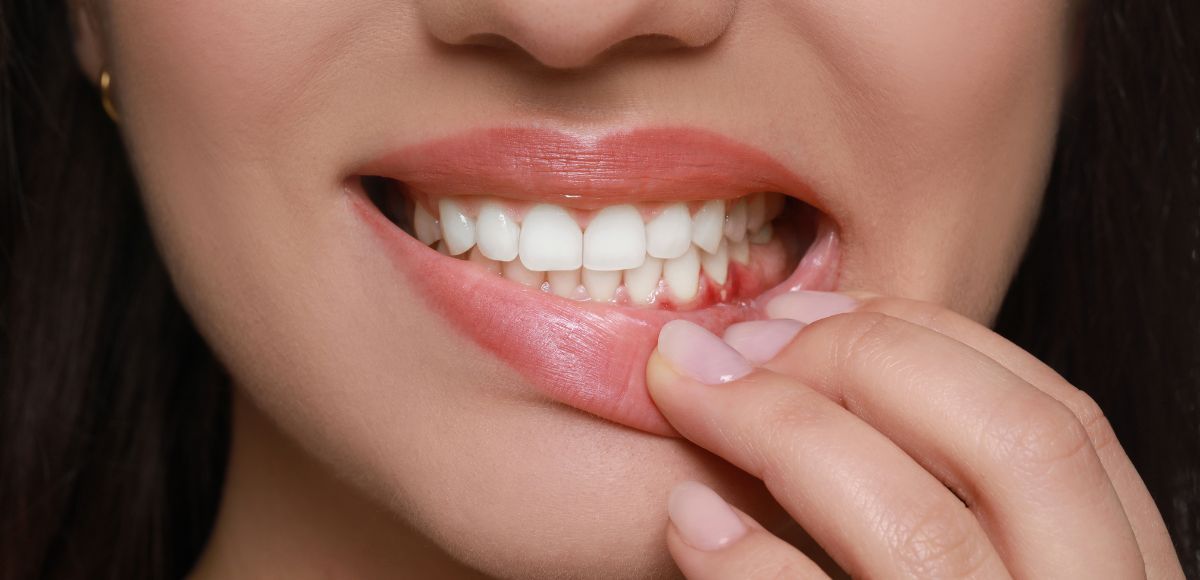
You may qualify for Curodont treatment in Austin if you have very early enamel lesions, often visible as white spots, and meet the following criteria:
- Your decay remains limited to enamel and has not reached the underlying dentin.
- There is no visible cavity, physical hole, or structural breakdown present in the tooth.
- You are looking for a conservative, minimally invasive treatment for early enamel damage.
- You prefer to keep as much of your original, healthy tooth structure as possible.
- Your child or teenager has early-stage decay (such as emerging white spots) identified during routine dental exams.
Curodont is not appropriate for:
- Moderate to advanced cavities
- Teeth with structural collapse
- Areas where decay has already penetrated deeply
- Teeth requiring traditional restorative care for strength and function
At Austin Elite Smiles, candidacy is determined through a comprehensive exam and diagnostic imaging. Early lesions require clinical evaluation before we recommend Curodont treatment in Austin.
Our approach is guided by one principle: the right treatment at the right time. If a filling is necessary, we will recommend it. If conservative intervention is possible, we prioritize preserving your natural tooth.
Benefits of Choosing a No-Drill Dentistry in Austin
Modern dentistry prioritizes preservation over removal. No-drill care reflects this commitment to minimal intervention and long-term tooth conservation.
For eligible patients, Curodont treatment in Austin allows dentists to intervene early and prevent tooth decay without drilling. When appropriate, this approach offers several advantages:
Preserve natural enamel
Protect tooth strength and structure by avoiding unnecessary removal of healthy tissue.
Improve treatment comfort
Avoid drilling and, in many cases, anesthesia for a more comfortable experience.
Reduce dental anxiety
Offer a conservative option that feels less invasive for apprehensive patients.
Streamline appointments
Complete treatment efficiently with a straightforward process.
Strengthen preventive care outcomes.
Address demineralization early to potentially reduce future restorative needs.
It is important to recognize that no-drill dentistry does not replace all restorative treatments. Instead, it expands options for early detection of decay, allowing conservative intervention before more extensive care is necessary.
Curodont vs Traditional Fillings: Key Differences
Curodont and traditional fillings serve different clinical purposes. When patients understand how each treatment works and when it is appropriate, they can make informed decisions about their care.
| Curodont | Traditional fillings | |
|---|---|---|
| Stage of Decay Treated | Targets early, non-cavitated enamel lesions. Dentists use it when decay has not yet formed a physical hole in the tooth. | Treat moderate to advanced decay. Dentists place fillings after decay creates a cavity and damages the tooth’s structure. |
| Invasiveness | Provides a non-invasive solution. Dentists apply the material directly to the enamel without drilling or removing healthy tooth structure. | Require a restorative procedure. Dentists remove decayed tissue and reshape the tooth before placing the filling material. |
| Anesthesia | Typically does not require local anesthesia because the procedure does not involve drilling. | Often require numbing to ensure patient comfort during the removal of decayed tooth structure. |
| Preservation of Tooth Structure | Preserves intact enamel and supports natural remineralization. It strengthens weakened enamel without permanently altering the tooth. | Restore function and protect the tooth from further damage, but they permanently change the natural structure because some enamel and dentin must be removed. |
| Long-Term Considerations | Focuses on early intervention. By treating decay before structural breakdown occurs, it may delay or prevent the restorative cycle when clinical conditions allow. | Fillings provide a durable and necessary solution for teeth with structural damage. However, restorations may require maintenance or replacement over time. |
At Austin Elite Smiles, we do not position one option as universally better. Instead, we carefully evaluate each case. Early decay may benefit from Curodont treatment in Austin. More advanced decay requires traditional restorative care.
A Conservative Approach to Protecting Your Natural Smile
Early tooth decay does not always require drilling or permanent restoration. When detected at the earliest stage, it can often be managed through minimally invasive dental solutions that preserve your natural enamel.
Curodont represents a shift toward preventive, biologically supportive dentistry. Promoting remineralization rather than removing tooth structure, it enables early, conservative intervention for decay.
The key is timing. Early diagnosis through routine examinations makes it possible to consider options like Curodont before a cavity fully develops. With proper evaluation and monitoring, patients can protect their long-term oral health while avoiding unnecessary intervention.
Why Choose Austin Elite Smiles for Curodont Treatment in Austin
As a trusted provider of non-invasive cavity treatment, our team of dentists is committed to protecting your natural tooth structure whenever clinically appropriate. If our Curodont treatment in Austin is suitable for your condition, we will explain how it works, what results to expect, and how to maintain your enamel moving forward. If a traditional filling is necessary, we will clearly explain why.
Every recommendation is based on long-term oral health, not short-term solutions.
If you want to address early decay or explore preventive dental solutions, schedule your consultation at Austin Elite Smiles today. Our experienced team is ready to help you proactively protect your oral health with care you can trust.
Frequently Asked Questions
1. Does Curodont really stop cavities?
Curodont can halt the progression of decay when detected at the earliest stage, before a physical cavity forms. It works by promoting enamel remineralization in non-cavitated lesions. Curodont treatment in Austin is most effective when applied early and followed by proper oral hygiene and regular monitoring.
2. Is Curodont better than fillings?
Curodont is not a replacement for fillings in all cases. It is designed for early enamel lesions, while fillings are necessary when decay has already created structural damage. Curodont treatment in Austin is a conservative option when clinically appropriate, but more advanced cavities still require traditional restorative care.
3. Can tooth decay be reversed without drilling?
In its earliest stage, tooth decay can sometimes be reversed through remineralization. Once decay progresses and forms a hole in the tooth, drilling and restoration are typically required.
4. How much does Curodont cost in Austin?
The cost of Curodont varies depending on the number of teeth treated and the complexity of the case. During your consultation, we provide a clear explanation of fees and, when applicable, discuss insurance coverage. At Austin Elite Smiles, transparency is part of our commitment to patient-centered care.
5. Is Curodont safe for children?
Yes, Curodont is considered safe for children when used appropriately for early-stage enamel lesions. Its non-invasive nature makes it especially appealing for younger patients who may benefit from conservative care. Curodont treatment in Austin is recommended only after a thorough evaluation confirms that the lesion is suitable for this approach.
Key Takeaways
- Curodont treatment in Austin is designed to stop early tooth decay at the enamel stage before a cavity forms.
- It uses peptide-based technology to support natural enamel remineralization rather than removing tooth structure.
- The procedure is non-invasive, typically requires no drilling or anesthesia, and preserves healthy enamel.
- Curodont is appropriate only for non-cavitated lesions; deeper decay still requires traditional fillings.
- Early detection during routine dental exams is essential for this treatment to be effective.
- At Austin Elite Smiles, candidacy is determined through careful clinical evaluation to ensure safe, evidence-based care.