
Whitening Treatment for Sensitive Teeth in Austin
If tooth sensitivity has kept you away from whitening, there are options designed specifically for you. This guide covers the gentlest, most effective approaches to whitening treatment for sensitive teeth available at our Avery Ranch practice, so you can get a brighter smile makeover without dreading the chair.
Why Sensitive Teeth Make Whitening Feel Risky
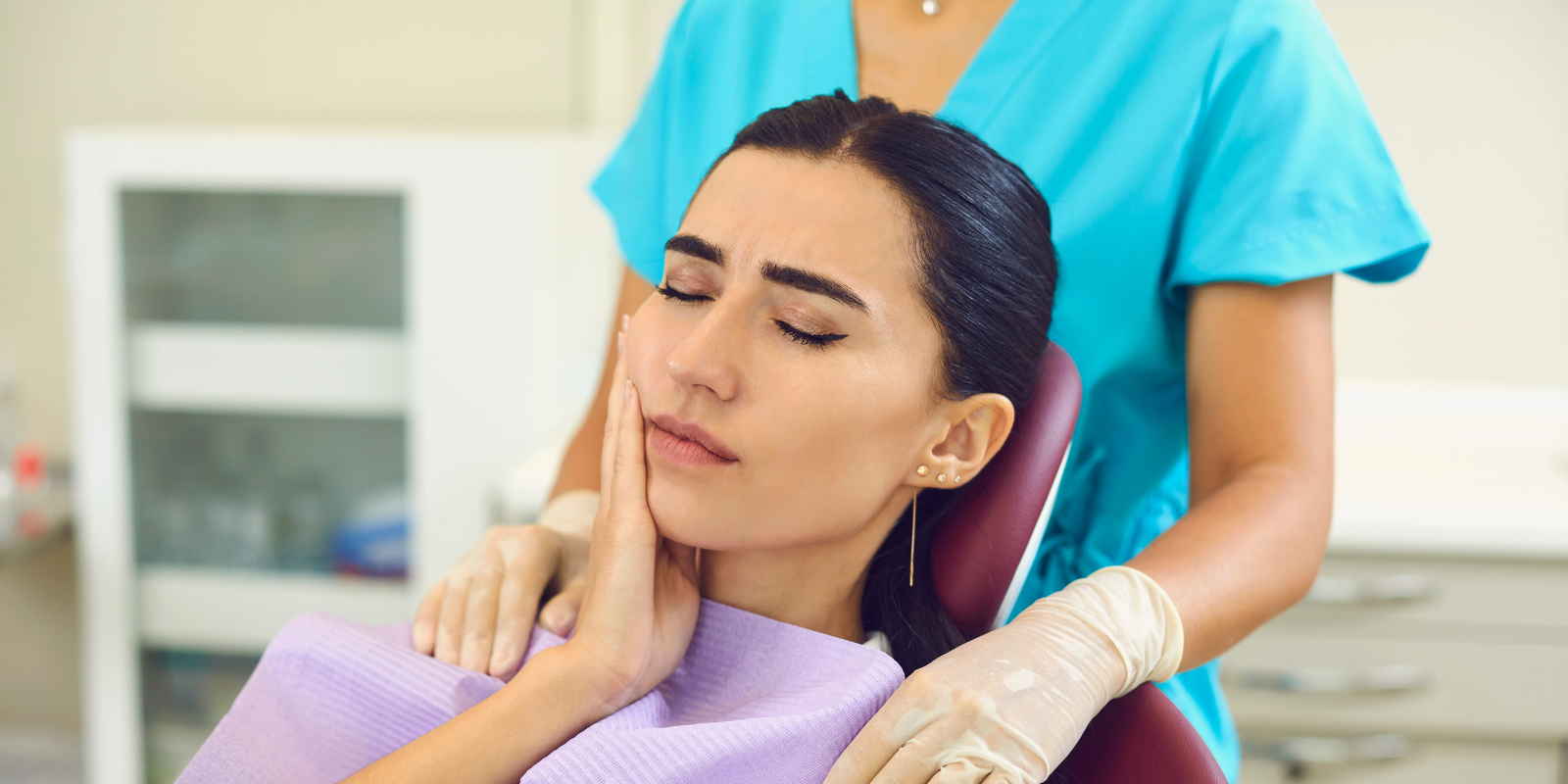
If you've tried a drugstore whitening strip and ended up with sharp, lingering pain, it makes sense that you've hesitated since. That kind of reaction can feel like a warning sign.
But not all whitening is the same. Over-the-counter products use fixed concentrations of hydrogen peroxide with no adjustment for your specific tooth health. Whitening treatment for sensitive teeth, when supervised by a dentist, is a completely different approach. The concentration is matched to your sensitivity level, not a one-size-fits-all formula.
What Causes Tooth Sensitivity During Whitening
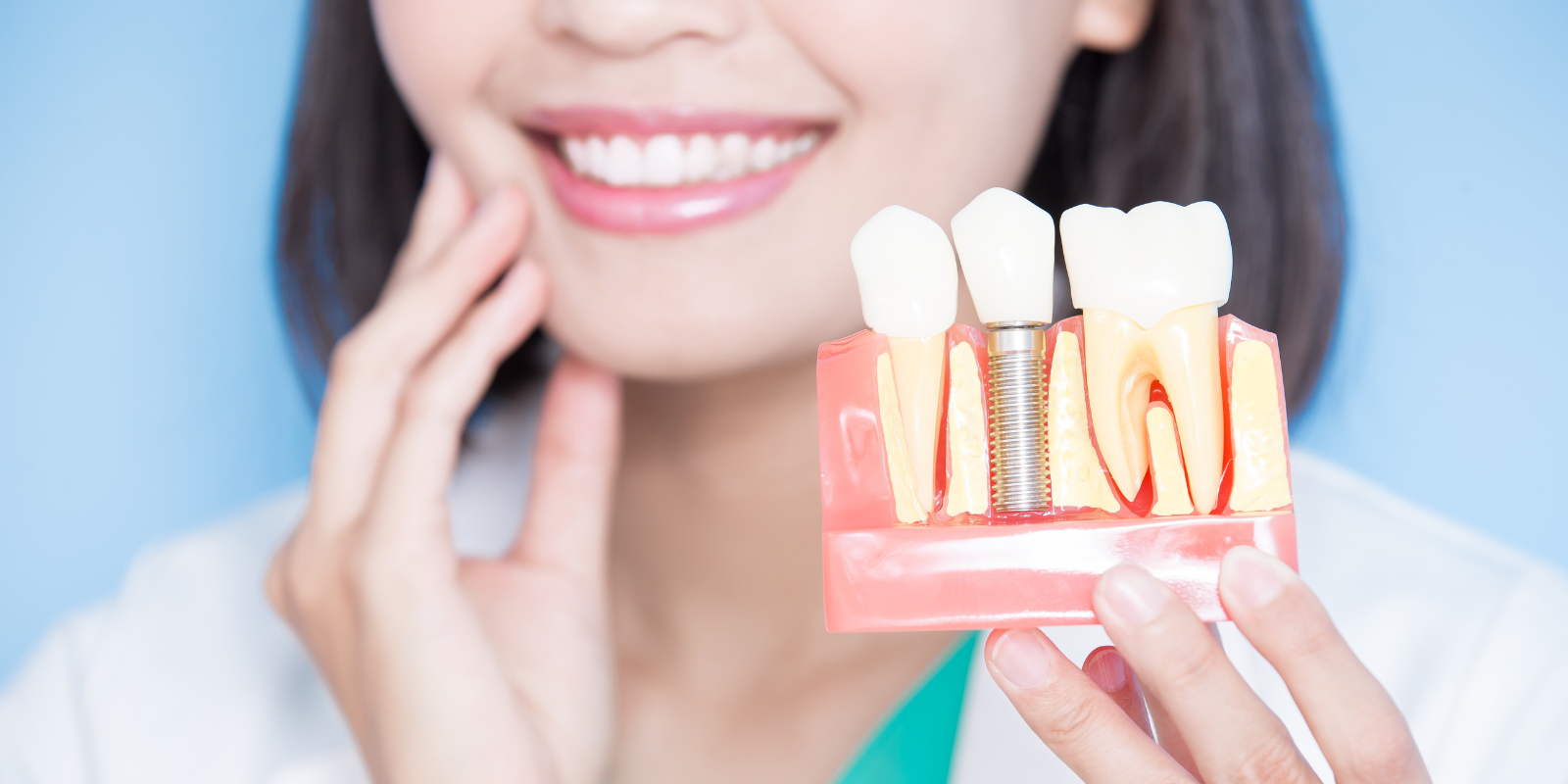
Whitening agents, typically hydrogen peroxide, penetrate the enamel and can temporarily irritate the nerve endings inside the tooth through small channels called dentinal tubules. People with thinner enamel or exposed root surfaces feel this more intensely.
People with pre-existing enamel wear, gum recession, or exposed dentin experience heightened sensitivity during dental treatments, including whitening.
A few other common causes of whitening sensitivity:
- Gel concentration that's too strong for your current tooth condition
- Ill-fitting trays that allow gel to contact the gums
- Skipping a fluoride pre-treatment
- Using at-home products too often without recovery time
This is exactly why professional teeth whitening from a licensed dental team matters. A dentist can assess your baseline sensitivity before recommending any protocol.
Gentle Whitening Treatment for Sensitive Teeth: Your Options
There's more than one path to a whiter smile, and people with sensitive teeth usually do best with a phased or lower-intensity approach.
Lower-Concentration In-Office Whitening
Instead of the strongest available gel, a dentist-selected lower concentration can still whiten noticeably while keeping sensitivity manageable. The session is supervised, so adjustments happen in real time.
Custom Take-Home Trays
Trays made from impressions of your teeth hold the gel precisely against each tooth surface with minimal contact with your gums. This matters. Many patients with sensitive teeth find gradual whitening over 1 to 2 weeks far more comfortable than a single high-intensity visit.
Pre-Treatment Desensitizing
Using a potassium nitrate toothpaste or fluoride treatment in the two weeks before whitening can reduce sensitivity by partially blocking the tubules that transmit those pain signals.
How to Prepare Your Teeth Before Whitening
A little preparation can make a meaningful difference, especially if you know you're prone to sensitivity.
Start using a sensitivity toothpaste (potassium nitrate or stannous fluoride) about 2 weeks before your appointment. According to research, these ingredients help block the dentinal tubules that carry signals of sensitivity, reducing discomfort before treatment begins.
A few other simple steps worth doing:
- Let your dentist know your sensitivity history at the consultation
- Avoid very hot or cold foods the day before your appointment
- Ask about a fluoride treatment on the day of your session
None of these requires extra appointments. They just set your teeth up for a more comfortable experience.
After Your Whitening Treatment for Sensitive Teeth: What to Expect and Do
The first 24 to 48 hours after whitening are when sensitivity tends to peak. A few simple steps can make that window much more comfortable.
Watch What You Eat and Drink
Stick to room-temperature foods and drinks for the first two days. Anything very hot, very cold, or highly acidic can trigger discomfort on freshly treated teeth. This includes coffee, tea, citrus, and red wine, which also stain more easily while your enamel is still settling.
Use a Sensitivity Toothpaste Right After Treatment
Apply it directly to your teeth or into your whitening trays after your session. Leave it on for a few minutes before rinsing. Many patients find that this noticeably reduces the post-treatment ache. If discomfort flares, over-the-counter ibuprofen can help take the edge off.
Know When to Follow Up
For most patients, sensitivity resolves on its own within 24 to 48 hours. If it lingers beyond that, reach out to your dental team. That's exactly what supervised care is for.
Ready to Talk About Whitening Without the Worry?
If sensitivity has kept you from whitening, you don't have to stay stuck. At Austin Elite Smiles, we're an AACD-accredited cosmetic dental practice serving the Avery Ranch area of North Austin. Our team of dentists has helped many patients with sensitive teeth find a whitening approach that actually works for them.
We start with your comfort and work from there. Whether that's a lower-concentration in-office session, custom take-home trays, or a phased approach, we'll be straightforward about what makes sense for your teeth.
Schedule your whitening consultation when you're ready. No pressure, just a clear conversation about your options.
Frequently Asked Questions
1. Can you whiten sensitive teeth?
Yes. Having sensitive teeth doesn't disqualify you from whitening. It means the approach needs to be adjusted. Whitening treatment for sensitive teeth typically involves lower-concentration gels, custom-fitted trays, and pre-treatment desensitizing, all standard parts of how a dentist personalizes the protocol.
2. How do I whiten my teeth without sensitivity?
The most effective way is to work with a dentist who can tailor the concentration and method to your needs. Starting a sensitivity toothpaste two weeks before your appointment, using custom trays during treatment, and avoiding temperature extremes afterward significantly reduces discomfort for most patients.
3. Is professional whitening treatment for sensitive teeth safe?
Yes, when supervised by a trained dental professional. Your dentist adjusts the gel type, concentration, and session length based on your sensitivity level. That level of customization isn't possible with any over-the-counter product.
4. What causes tooth sensitivity after whitening?
Whitening agents temporarily open small channels in the enamel called dentinal tubules, which lead to nerve endings. People with pre-existing enamel wear or gum recession feel this more acutely. Sensitivity from whitening typically resolves within 24 to 48 hours. Using a desensitizing toothpaste before and after treatment reduces the effect by a noticeable amount.
5. Is laser teeth whitening in Austin, TX, an option for sensitive teeth?
Light-activated whitening systems can be appropriate for some sensitive-teeth patients, depending on the degree of sensitivity and the current condition of their teeth. A consultation with our team is the best way to determine whether this or another approach is the right fit for you. We'll give you a straightforward answer based on what we see, not what looks best on a brochure.
Key Takeaways
- Tooth sensitivity doesn't mean whitening is off the table. It means the approach needs to be personalized.
- Drugstore whitening products are harder on sensitive teeth because the concentration isn't adjusted for your individual needs.
- Whitening treatments, provided by a licensed dentist, use lower concentrations, custom-fit trays, and built-in sensitivity management.
- Starting a sensitivity toothpaste two weeks before your appointment and avoiding temperature extremes afterward makes a real difference.
- Both in-office whitening in Austin and custom take-home trays are viable options for sensitive-teeth patients when properly supervised.
- Our
new patient special is the most reliable way to know which whitening method is right for your teeth.