
Crowded Teeth Health Risks: Here's Why Alignment Matters
The crowded teeth health risks you face go well beyond how your smile looks. When teeth overlap, they become harder to clean, creating ideal conditions for gum disease, decay, and bite problems. This post walks through what's actually happening clinically and your options.
Why Crowded Teeth Are More Than a Cosmetic Issue
Most people with crowded teeth see it as a cosmetic problem. Maybe they've thought about straightening their smile for years, but kept putting it off because it didn't feel urgent. The crowded teeth health risks, though, don't wait.
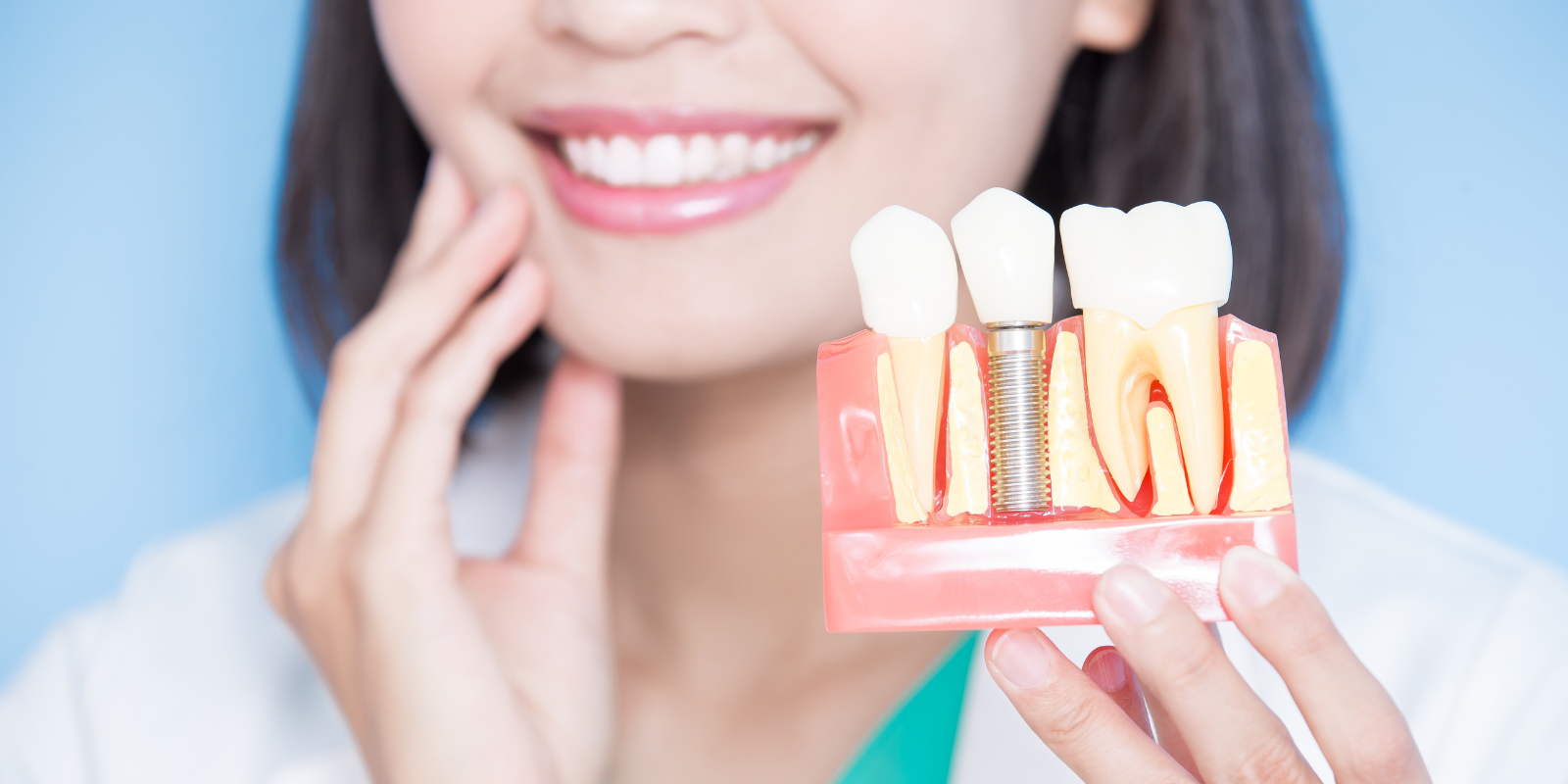
Dental crowding creates physical barriers to good oral hygiene. When teeth overlap or press tightly against each other, your toothbrush can't reach between them effectively, and floss can't always get into those tight contacts the way it needs to.
That means plaque and bacteria collect in spots you genuinely can't clean on your own, no matter how consistent your routine is. Over time, that buildup leads to real, measurable consequences:
- Increased risk of gum disease from bacteria-filled pockets between teeth
- Higher rates of tooth decay at hard-to-reach contact points
- Uneven bite pressure that stresses the jaw joints and muscles
- Gradual enamel wear from teeth rubbing against each other
Understanding these specific risks gives you a clearer picture of why addressing crowding is an oral health decision, not just an aesthetic one.
How Crowded Teeth Increase Your Risk of Gum Disease
Crowded teeth and gum disease are closely linked, and the reason is straightforward. Overlapping teeth create narrow pockets where bacteria collect. When that bacteria isn't regularly removed, it triggers inflammation in the gum tissue, which is how periodontal disease begins.
Why cleaning alone isn't always enough
According to the research, gum disease is one of the most common chronic conditions affecting adults in the United States. Crowding doesn't cause it on its own, but it creates the conditions that make it significantly harder to prevent.
Even patients who come in for consistent professional cleanings and preventative care may still have vulnerable areas if certain surfaces remain unreachable due to crowding. Preventative care is essential, but it works best when the teeth themselves allow proper access.
The Connection Between Crowding and Tooth Decay
The same issue that raises gum disease risk also raises decay risk. Plaque sitting between tightly packed teeth produces acid, and that acid works on enamel at the contact points where cleaning is hardest. A cavity can develop quietly between two crowded teeth before it's ever visible or symptomatic.
How decay compounds when teeth overlap
Health problems from crowded teeth like this tend to build on each other. A cavity that forms at the contact point of two overlapping teeth often affects both surfaces, which can make the procedure to resolve it more involved. Untreated tooth decay remains one of the most prevalent chronic conditions in American adults, and crowding is a contributing factor that often goes unrecognized.
How Crowding Affects Your Bite and Jaw Health
Crowded teeth don't just affect the surfaces you can see. They change how your upper and lower teeth meet when you bite and chew.
When your bite is off, your jaw adapts. You might shift it slightly to find a comfortable chewing position without realizing it. That repeated compensation puts uneven stress on the jaw joints and the surrounding muscles, and over time, it adds up.
Common signs your bite may be under strain
- Jaw soreness or stiffness, especially in the morning
- A clicking or popping sensation when opening your mouth
- Frequent tension headaches that don't have an obvious cause
- Uneven wear on specific teeth that your dentist notices on X-rays
This is one of the less obvious health problems from crowded teeth, and it often surfaces during a 3D digital wellness scan, where we can see exactly how your teeth are loading and whether your alignment is driving discomfort you may have written off as unrelated.
Treatment Paths: From Preventative Care to Clear Aligners
Teeth crowding treatment doesn't look the same for everyone. Your options depend on how significant the crowding is and which risks it's currently creating.
For mild crowding: improved hygiene and preventative care
If your crowding is mild, consistent hygiene and regular professional care can go a long way toward managing risk. Our team can identify the specific areas that need the most attention and help you build a routine that accounts for your alignment.
For moderate to significant crowding: clear aligners
Clear aligners for crowded teeth are one of the most practical options for adults who need more than hygiene adjustments to address their crowding. Invisalign for crowded teeth in Austin uses gradual shifts to move teeth into better positions over several months, making every surface easier to clean and reducing the bite stress that misalignment creates.
What to Expect at Your Crowded Teeth Consultation in Austin
A consultation at Austin Elite Smiles starts with a thorough clinical assessment.
Here's what that typically includes:
- Digital X-rays to check for hidden decay between crowded teeth
- A 3D digital wellness scan to assess bite loading and alignment in detail
- A gum health evaluation to check for early signs of periodontal disease
- A clear walkthrough of your findings and what your options are
You'll leave with a real picture of what's happening clinically, not just cosmetically. There's no pressure and no predetermined path. The goal is to give you the information you need to make the right decision for your health.
Crowded-teeth solutions for Avery Ranch patients at Austin Elite Smiles range from preventative dentistry in Austin protocols to clear aligner treatment, all supported by long-term smile care that goes well beyond a single visit.
Address Crowded Teeth Health Risks Before They Grow
The crowded teeth health risks you carry extend to your gum health, your enamel, your bite, and your ability to keep your teeth clean long term. These aren't small concerns, and they don't resolve on their own.
According to research, misaligned teeth are directly associated with increased difficulty maintaining oral hygiene, which compounds across every area of dental health. The longer crowding goes unaddressed, the greater the opportunity for those compounding issues to grow.
If you've been putting off looking into your dental crowding because it felt like a cosmetic issue, this is a good moment to reconsider what's actually at stake.
Our team is here to give you a clear, no-judgment picture of your oral health and your options.
Schedule a crowded teeth consultation
Frequently Asked Questions
1. Are crowded teeth bad for your health?
Yes. Crowded teeth health risks include increased vulnerability to gum disease, tooth decay, enamel wear, and bite-related jaw issues. Because overlapping teeth create hard-to-clean areas, plaque builds up in ways that daily brushing alone can't fully address.
2. Can crowded teeth cause gum disease?
Crowded teeth and gum disease are directly linked. Tight spaces between teeth trap bacteria, and when that bacteria isn't removed through cleaning, it can cause gum inflammation.
3. Do crowded teeth need to be fixed?
It depends on the severity and how the crowding is affecting your hygiene and bite. Mild cases managed with excellent routine care can remain stable. More significant crowding, particularly when it contributes to gum problems or enamel wear, warrants a clinical evaluation.
4. Can Invisalign fix crowded teeth?
Yes. Invisalign for crowded teeth in Austin is one of the most widely used treatments for moderate dental crowding in adults. Clear aligners for crowded teeth gradually reposition teeth over several months. Results depend on the complexity of your specific case, which is why a consultation with imaging is important.
5. What happens if you leave crowded teeth untreated?
Untreated dental crowding often leads to a progression of associated issues. Gum inflammation worsens, decay develops in hard-to-clean contact points, enamel wears down from unintended tooth contact, and bite compensation can cause jaw discomfort.
Key Takeaways
- Crowded teeth pose health risks, including gum disease, decay, enamel wear, and jaw stress, not just appearance concerns.
- Overlapping teeth create cleaning gaps that daily hygiene can't fully address on its own.
- Crowded teeth and gum disease are directly linked because bacteria accumulate in tight spaces between teeth.
- Teeth crowding treatment options range from improved preventative protocols to clear aligners for crowded teeth.
- A 3D digital wellness scan gives the clearest picture of how crowding is affecting your specific alignment and gum health.
- Invisalign for crowded teeth in Austin is a practical, removable option that addresses both the health and alignment concerns.