
Oral Hygiene for Older Adults: Why It Gets Harder With Age
Oral hygiene for older adults becomes quietly more difficult as gum tissue recedes, saliva production decreases, and teeth shift over time. These are biological changes, not signs that you're doing something wrong. This guide breaks down what's actually happening in your mouth after 40 and what you can do to stay ahead of it.
What Changes in Your Mouth as You Age
Your mouth at 55 isn't the same as it was at 30. The changes are gradual, which is exactly why they're easy to overlook until they've already caused problems. By the time something feels different, the shift has usually been happening for a while.
Here's what's actually changing under the surface:
- Gum tissue pulls back, exposing the softer root surfaces of your teeth
- Enamel thins from decades of chewing, grinding, and acid exposure
- Saliva production slows, especially if you're on any long-term medications
- Bone density in the jaw decreases, allowing teeth to drift slightly over time
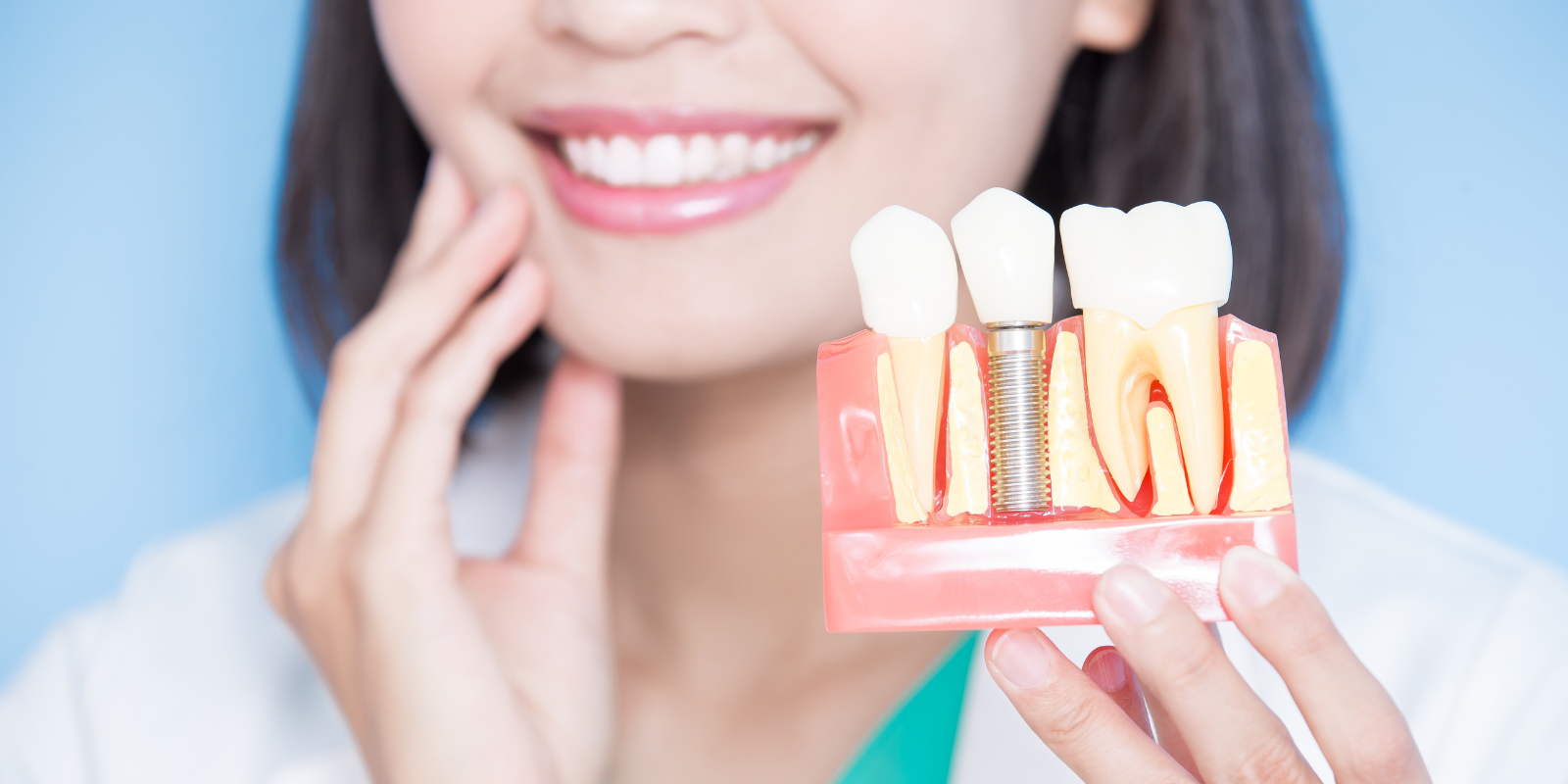
- Existing dental work ages, and older materials don't always hold the same seal they once did
Dental care after 40 needs to account for this new reality. The routine that worked in your 30s may simply need updating to fit where your mouth actually is now.
Why Gum Recession Exposes New Cleaning Challenges
When gum tissue recedes, it uncovers the root surfaces of your teeth. Root surfaces are softer than enamel and accumulate plaque more quickly. They also sit in spots your toothbrush may not reach as efficiently, particularly if you're still using the same technique you've always used.
Gum health for older adults is directly tied to how thoroughly those exposed root surfaces get cleaned each day. According to the National Institute on Aging, gum recession is one of the most common oral changes adults experience with age, and it significantly increases the risk of decay in areas that were once well-protected by the gumline.
How Dry Mouth From Medications Reduces Natural Cleaning
Most people don't think much about saliva until it's reduced. It's quietly doing three important jobs throughout the day:
- Rinsing away food particles between brushing sessions
- Neutralizing acid after meals before it can erode enamel
- Delivering minerals that help remineralize teeth over time
When saliva production slows, all three of those protective functions slow with it. And dry mouth is a listed side effect of more than 500 common medications, including those prescribed for blood pressure, allergies, anxiety, and depression.
Reduced saliva flow substantially raises the risk of tooth decay and gum disease in older adults, not because people are brushing less, but because the oral environment itself has changed. Staying hydrated helps, but it doesn't fully replace what saliva does.
Why Shifting Teeth Makes Daily Hygiene Harder
Shifting teeth in adults is far more common than most people realize. Years of bite pressure, nighttime grinding, and gradual bone changes cause teeth to drift slightly out of position. It's not dramatic, but over time, even small shifts in tooth position create new spots where plaque collects.
As teeth shift, new gaps and overlaps form in spots that are harder to floss and easier to miss with a brush. Those hidden pockets are where plaque builds up unnoticed. Over time, that buildup becomes the foundation for gum disease in older adults.
A 3D digital wellness scan can show exactly where shifting has occurred and help create a care plan before small changes develop into bigger ones. For some patients, choosing straighter, easier-to-clean teeth through Invisalign is a practical step toward better long-term oral health.
Caring for Decades of Dental Work as You Age
Most patients don't consider old dental work a vulnerability. But restorations age alongside the rest of your mouth, and the materials used even 10 to 15 years ago wear differently than what's available today.
Common restorations that need age-related evaluation include:
- Composite or amalgam fillings that may have worn edges, where bacteria can enter
- Dental crowns with margins that break down over time, even without pain
- Bridges and bonded work that can loosen or develop small gaps that trap plaque
Aging teeth care means keeping a close eye on existing dental work, not just the natural teeth around it. Catching a worn filling or a compromised crown margin early prevents the far larger problems that develop when it's left unaddressed.
Enamel Wear, Sensitivity, and How They Change Brushing Habits
Enamel wears down gradually over decades of use, and once it's gone, it doesn't grow back. Thinner enamel means more sensitivity to heat, cold, and bite pressure. That discomfort can cause people to brush more gently or for less time, which leaves plaque behind in exactly the areas that need more attention.
Oral health for adults managing sensitivity usually requires adapting technique, not pushing through discomfort. A few practical changes that make a real difference:
- Switch to a soft-bristled toothbrush and reduce pressure when brushing near the gumline
- Use a fluoride toothpaste formulated for sensitive teeth consistently, not just when it hurts
- Let your dental team know if sensitivity is changing how long or how thoroughly you brush
Sensitivity that's affecting your daily routine is a clinical issue worth evaluating, not just something to manage on your own.
A Smarter Approach to Oral Hygiene for Older Adults in Austin
Austin Elite Smiles serves patients throughout the Avery Ranch area and surrounding North Austin communities. Our team includes Dr. Elizabeth Lowery, an AACD-Accredited cosmetic dentist, and Dr. Chad Orlich, a board-certified periodontist specializing in gum health concerns that often become more pressing with age.
Investing in long-term smile care through consistent checkups makes a bigger difference than any single product or habit you could add to your routine.
Talk With Our Team About a Personalized Hygiene Plan
If you've noticed any of the changes described here, the most useful next step is to have a conversation with someone who can actually look at what's happening. Our team of dentists can walk you through a full oral health evaluation and build a care plan that fits where you are right now.
Frequently Asked Questions
1. Why does oral hygiene for older adults get harder over time?
Gum recession, dry mouth, shifting teeth in adults, and enamel thinning all change the oral environment in ways that a standard routine can't fully keep up with. These shifts happen gradually, which is why the effects often aren't obvious until they've already taken hold. Regular professional evaluations catch them early, when they're easier to manage.
2. Why are my gums receding even though I brush every day?
Recession isn't always caused by poor brushing. Genetics, bite pressure, grinding, and natural aging all play a role. In some cases, brushing too hard with a firm-bristled brush can actually speed up recession rather than prevent it. A dental evaluation can identify the specific cause and guide the right response for your situation.
3. Is it too late to straighten my teeth in my 50s or 60s?
Not at all. Many adults in their 50s and 60s successfully use Invisalign. Shifting teeth in adults can be addressed at any age, and straighter teeth are easier to clean, reducing the long-term risk of both decay and gum disease. A consultation is the best way to find out whether clear aligners are a good fit for you.
4. How often should older adults schedule a professional cleaning?
Most adults benefit from a dental cleaning in Austin every six months. If there's a history of gum disease in older adults or other active concerns, your dentist may recommend visits every three to four months for more consistent monitoring. The right frequency depends on what's actually going on in your mouth.
5. Can dry mouth from medication really cause cavities?
Yes. Saliva rinses away food particles, neutralizes acid, and helps protect enamel throughout the day. When saliva production decreases, tooth decay can develop more quickly, even with thorough brushing and flossing.
Key Takeaways
- Gum recession exposes root surfaces that collect plaque faster than enamel and sit in spots that are harder to clean with a standard brush
- Dry mouth from common medications reduces your mouth's natural defense against decay and gum disease in older adults, regardless of brushing frequency
- Shifting teeth in adults creates new gaps and overlaps that a routine built for younger teeth will miss over time
- Older dental restorations need regular evaluation. Worn margins around fillings and crowns allow bacteria in without any visible warning signs
- Twice-yearly appointments for preventative dentistry in Austin, combined with a personalized hygiene plan, offer more long-term protection than any single habit or product change