
5 Benefits of Veneers to Help Achieve a Perfect Smile
Many people feel self-conscious about their teeth, whether it’s due to staining, small chips, gaps, or uneven alignment. While these concerns don’t always affect oral health, they can have a tangible impact on how freely and confidently you smile or interact with others.
For those looking to improve the look of their teeth without major procedures, veneers provide a straightforward, minimally invasive option. Dentists use them to enhance your natural teeth with results that feel both functional and natural, making the process feel accessible and manageable.
If you’ve been considering a cosmetic upgrade, this guide will walk you through five of the most meaningful benefits veneers can offer.
What Are Veneers?
Veneers are thin, tailor-made coverings that attach to the front of the teeth to enhance their appearance. Dentists typically make veneers from porcelain or composite resin and permanently bond them to the tooth surface with dental adhesive.
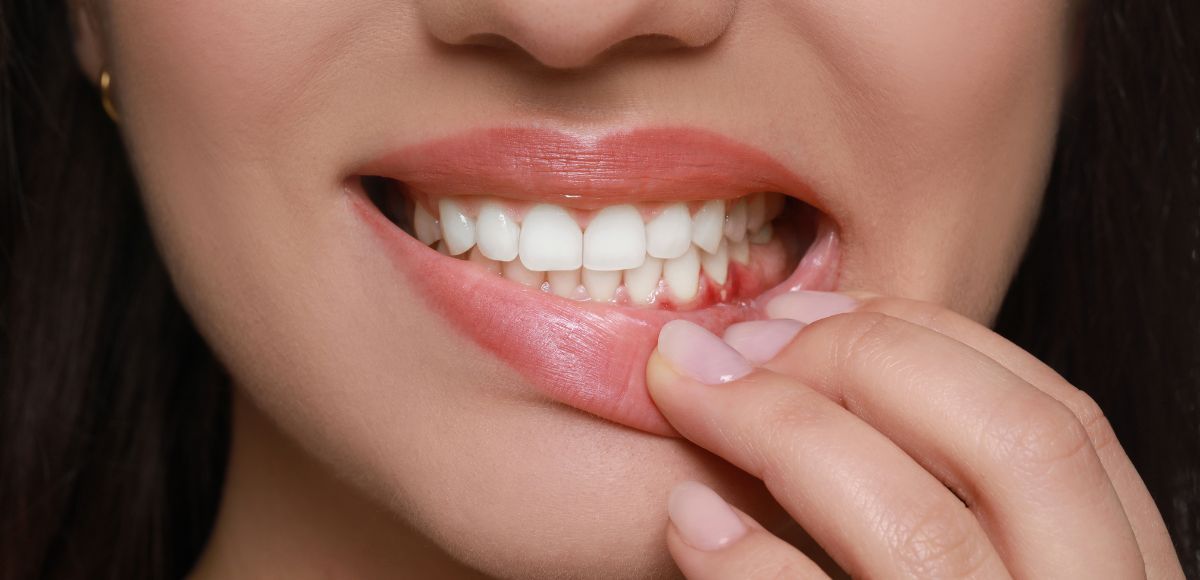
Dentists use veneers in cosmetic dentistry to correct various aesthetic concerns, such as discoloration, chipped or worn edges, uneven tooth size or shape, and small gaps. They customize each veneer for the individual patient, shaping and color-matching it to blend naturally with the surrounding teeth for a seamless, lifelike appearance.
There are two common types of veneers:
- Porcelain veneers - Known for their durability, stain resistance, and highly natural look. They usually last 10-20 years with proper care.
- Composite veneers - A more affordable alternative, made from tooth-colored resin material. They typically last 5-7 years and may require more maintenance over time.
Overall, veneers are a conservative and successful solution for patients looking to improve the aesthetics of their smile without extensive dental procedures.
How the Veneers Procedure Works
The veneer process typically involves multiple steps over two to three dental visits. At each stage, the dental team plans and performs procedures to ensure the veneers fit accurately, match the patient’s smile aesthetically, and bond securely for long-term performance.
Consultation
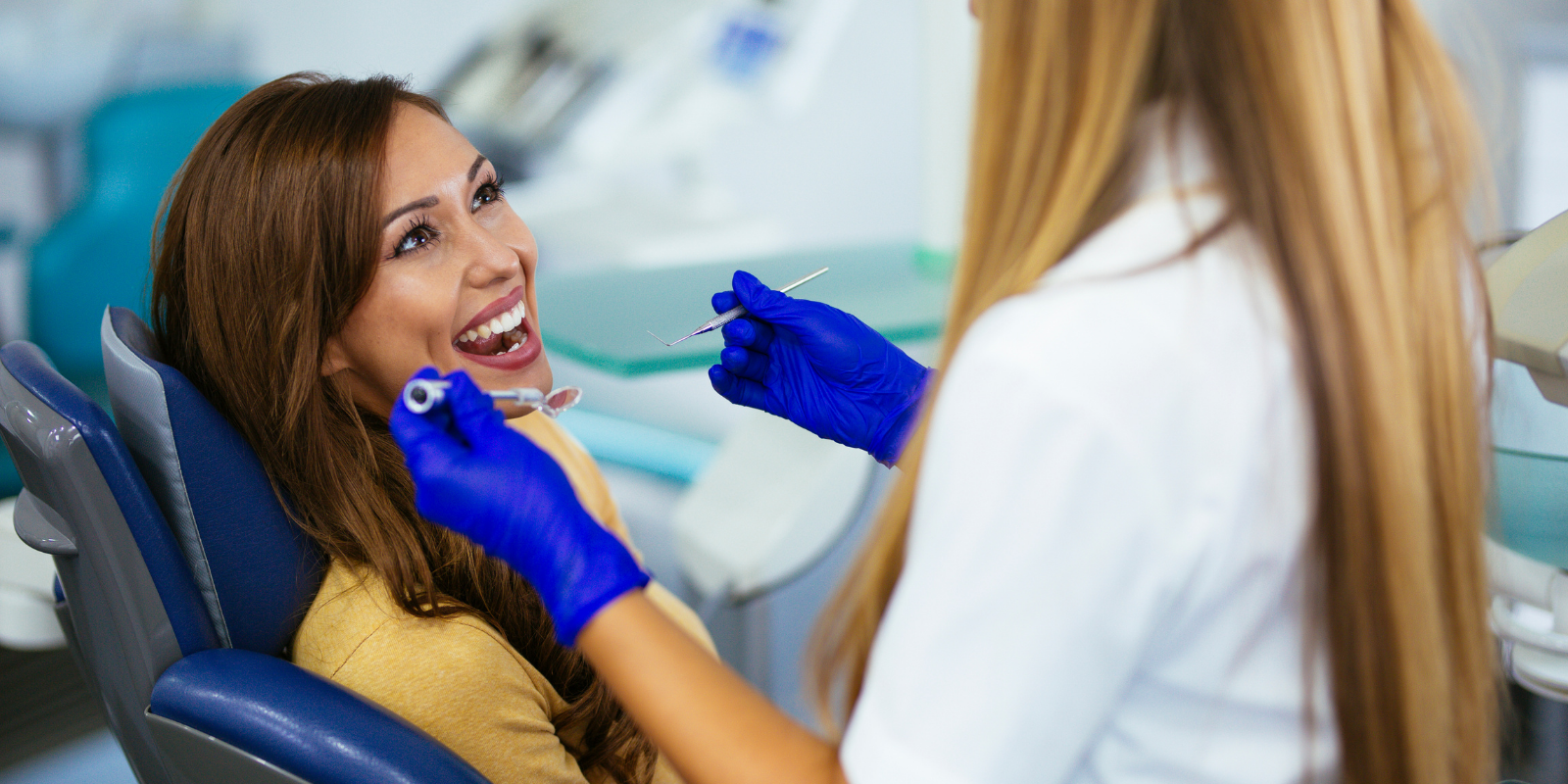
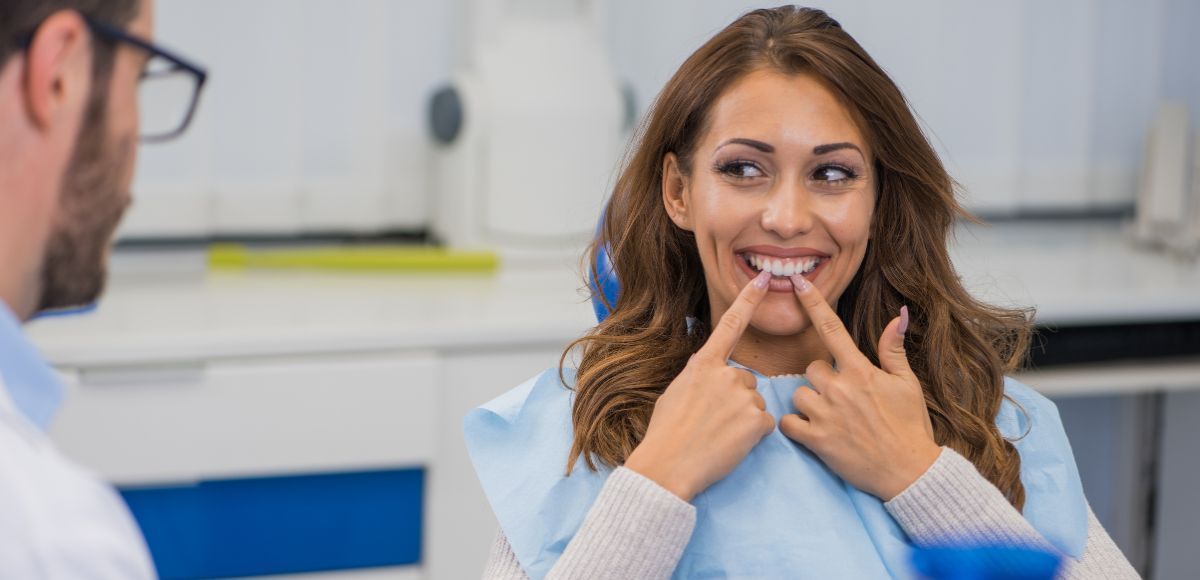
The process begins with a comprehensive dental consultation. During this visit, the dentist evaluates the patient’s teeth, oral health, and overall suitability for veneers, including a discussion about cosmetic goals, such as desired tooth shape, size, and shade.
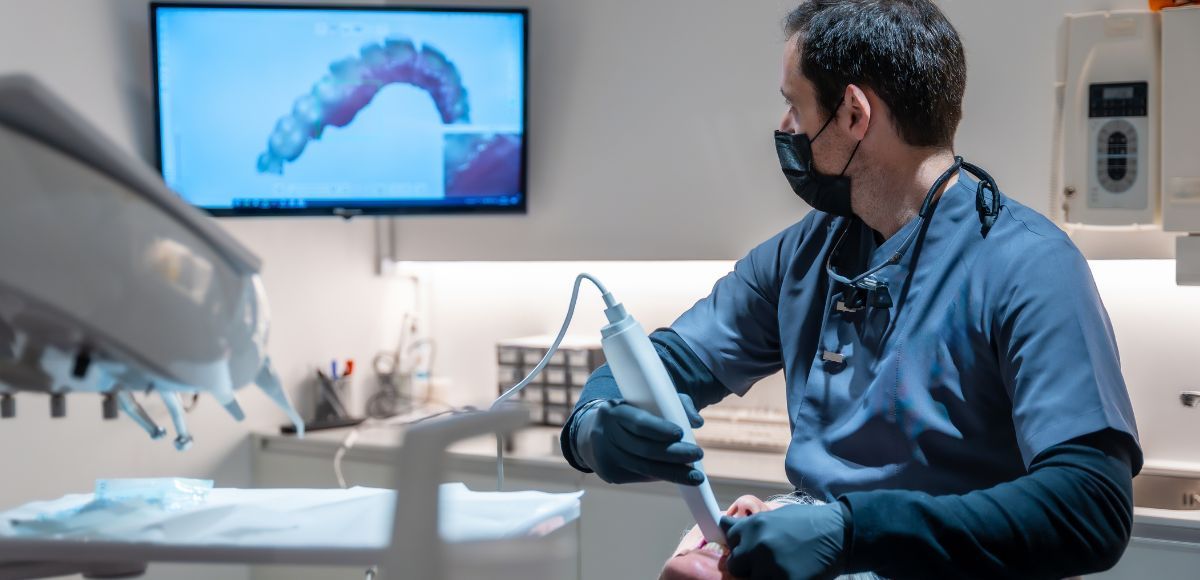
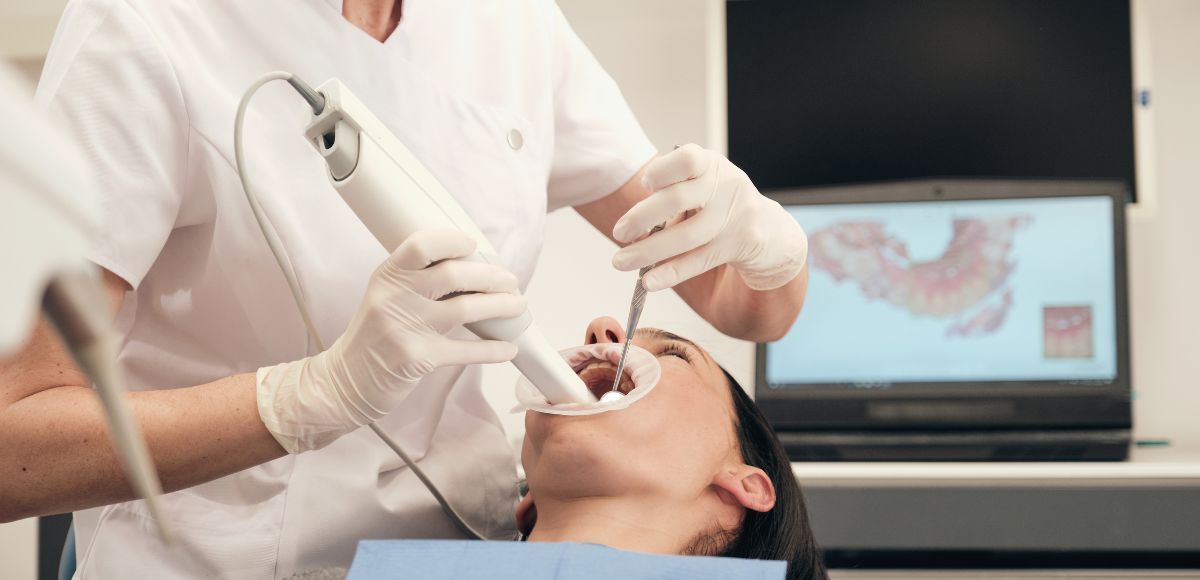
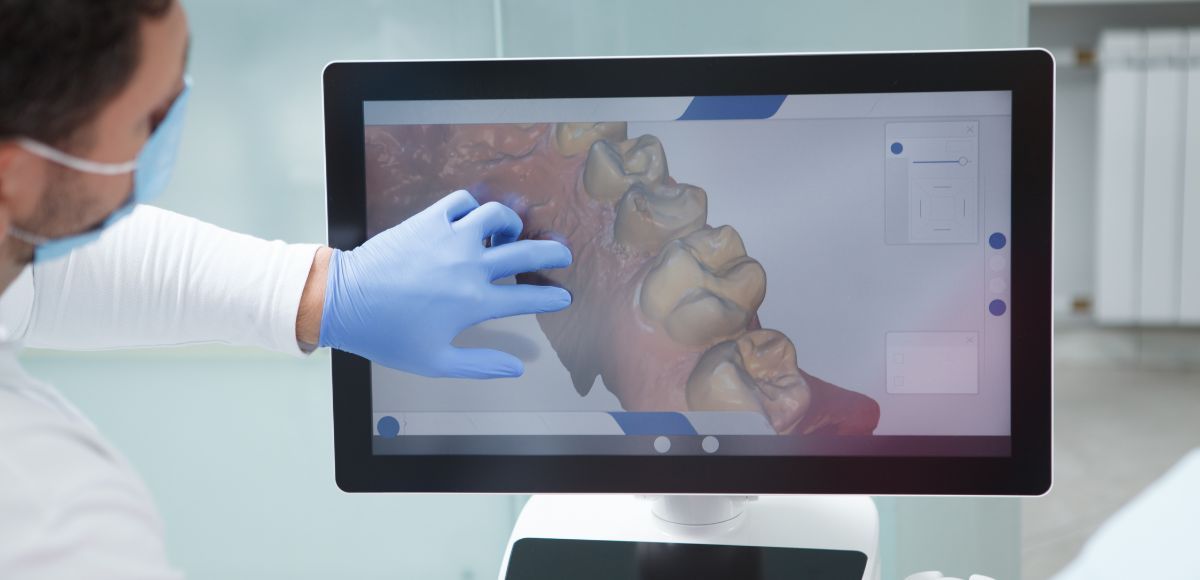
Dentists often use diagnostic tools such as digital scans, photographs, and X-rays to support treatment planning and guide the final design of the veneers.
Tooth Preparation
Next, the front surface of each tooth is carefully trimmed by about 0.3 to 0.7 millimeters to make room for the veneer. This allows the veneer to fit correctly and avoid looking bulky.
The procedure commonly includes a local anesthetic to ensure patient comfort. In cases involving minimal-prep or no-prep veneers, the dentist may reduce little to no enamel.
Impression and Lab Customization
After preparing the teeth, the dental team takes impressions or digital scans to capture the exact shape and position of each tooth. They send these records to a dental laboratory, where technicians custom-fabricate the veneers using porcelain or composite resin.
The lab typically completes the veneers within one to two weeks. In the meantime, the dentist may place temporary veneers to protect the prepared teeth and provide a preview of the final result.
Bonding and Final Adjustments
Once the final veneers are ready, they are carefully placed on the teeth and checked for proper fit, alignment, and color. Dentists may make minor adjustments to ensure they match surrounding teeth before permanent placement.
A dental adhesive is applied, and each veneer is bonded to the tooth using a curing light that hardens the material. Unlike direct bonding, which uses resin applied in a single visit, veneers are custom-made in a lab, highlighting the key difference between teeth bonding and veneers in terms of durability, appearance, and application process. After placement, the bite is checked and adjusted for comfort and function.
5 Benefits of Veneers
Veneers provide a practical way to enhance your smile and boost confidence, offering five benefits that make them a top cosmetic choice.
1. Instant Smile Transformation
Veneers can quickly fix multiple cosmetic issues at once. They cover stains that do not respond to whitening, hide chips or worn edges, close small gaps between teeth, and improve the shape or size of uneven teeth. In most cases, patients can see a dramatic improvement in their smile after just two to three dental visits.
2. Natural, Long-Lasting Aesthetic
Porcelain veneers closely mimic the look of natural tooth enamel. They reflect light similarly and are custom-made to match the color, shape, and size of nearby teeth. With proper care, porcelain veneers typically last 10 to 20 years. They also resist staining better than natural teeth, helping keep the smile looking bright over time.
3. Minimally Invasive
Compared with other dental treatments, such as crowns or orthodontics, veneers preserve most of the natural tooth structure. The dentist removes only a thin layer of enamel to create space for the veneer.
In some cases, such as with no-prep veneers, the tooth may not need to be altered at all. Despite the conservative approach, the visual improvement is often significant.
4. Easy Maintenance
Veneers do not require special cleaning products or tools. Daily brushing and flossing, along with regular dental checkups, are enough to keep them in good condition. Because porcelain is non-porous, veneers are less likely to stain or harbor plaque than natural teeth, helping maintain a clean, attractive smile.
5. Boosts Confidence and Emotional Well-being
Improving the appearance of teeth often leads to better self-confidence. Many people feel more comfortable smiling, speaking, or interacting with others after getting veneers. Studies have shown that cosmetic dental treatments canpositively impact self-esteem and quality of life.
Difference between Veneers and Implants
Dentists use veneers and dental implants in cosmetic and restorative dentistry, but they apply each treatment for entirely different situations. The table below outlines the key differences between the two:
| Category | Veneers | Dental Implants |
|---|---|---|
| Purpose | Improve the appearance of existing teeth | Replace missing or extracted teeth |
| Tooth Condition | Requires natural teeth that are healthy and intact | Used when a tooth is missing or the dentist needs to remove it. |
| Procedure | Gently removes a thin layer of enamel and bonds a thin shell to the front of the tooth. | A titanium post is surgically placed in the jawbone, topped with a crown |
| Material | Porcelain or composite resin | Titanium or zirconia post, with a porcelain or ceramic crown |
| Treatment Time | Typically 2–3 visits over a few weeks | Several months (including healing time after surgery) |
| Function | Cosmetic improvement only; does not replace the tooth | Restores both the function and appearance of a missing tooth |
| Best For | People who want to improve the color, shape, or alignment of natural teeth | People who need to replace a lost or non-restorable tooth |
Are Veneers Right for You?
Veneers are a strong option for individuals who want to improve the appearance of their teeth without undergoing major dental work. However, they aren’t the right fit for everyone.
You may be a good candidate for veneers if:
- Your teeth are generally healthy and intact.
- You have cosmetic concerns such as discoloration, chips, minor gaps, or uneven shape.
- You do not have active gum disease or untreated decay.
- You don’t grind your teeth heavily (or you use a nightguard)
Veneers are not ideal for severely damaged or decayed teeth, or for replacing missing teeth. In these cases, other treatments such as crowns or dental implants may be more appropriate.
A comprehensive dental evaluation is the best way to determine if veneers are suitable for your needs and goals.
Frequently Asked Questions About Veneers
What is cheaper than veneers for front teeth?
Dental bonding is usually the most affordable alternative to veneers for improving the appearance of front teeth. It uses tooth-colored resin to cover small chips, gaps, or discoloration. While bonding costs less, it doesn’t last as long and may stain more easily compared to porcelain veneers.
How long do veneers last on teeth?
Porcelain veneers typically last 10 to 20 years with proper care, including regular brushing, flossing, and dental checkups. Composite veneers last 5 to 7 years on average. Longevity depends on oral hygiene habits, bite pressure, and avoiding habits like teeth grinding or chewing on hard objects.
What are the downsides of veneers?
- Irreversible: Placing the veneer permanently removes a thin layer of enamel.
- Not repairable if damaged: If a veneer chips or breaks, it usually needs to be replaced.
- Cost: Veneers are more expensive than other cosmetic options, like bonding.
- Sensitivity: Some patients experience temporary tooth sensitivity after placement.
Are veneers painful to get?
No, the procedure is generally not painful. Local anesthesia is used during tooth preparation to prevent discomfort. After the appointment, some people may experience mild sensitivity or soreness, which usually resolves within a few days.
Your Smile Makeover Starts with a Conversation
If you're considering veneers, the first step is to get clear, personalized guidance based on your smile goals and oral health. A consultation can help you understand what veneers can achieve, how the process works, and whether they’re the right solution for you.
At Austin Elite Smiles, we take the time to listen and create treatment plans that fit both your needs and your lifestyle. There’s no pressure, just expert care and honest recommendations.