
Snoring Treatment: 15 Easy Remedies to Stop Snoring Immediately
Snoring is a common problem that affects many people. Studies show that more than 50% of men and 40% of women snore regularly. It can happen at any age and may range from light and occasional to loud and nightly.
Many people snore without having any serious medical condition. Still, it can be uncomfortable, embarrassing, or simply tiring to deal with. The good news is that there are simple, safe, and effective ways to reduce or stop snoring. This guide will walk you through 15 easy remedies that can help you breathe easier and sleep better.
Common Causes of Snoring
Snoring begins when airflow through your nose or throat becomes disrupted during sleep. When breathing is restricted, loose tissue in the airway vibrates, producing sound.
Here are the most common causes:
- Sleeping on your back
When you lie on your back, your tongue can fall toward your throat and block airflow. - Nasal congestion
If your nose feels blocked from a cold, allergies, or sinus issues, you may end up breathing through your mouth. - Excess body weight
Fat stored near the throat can narrow your airway and raise pressure, making it harder to breathe while you sleep. - Drinking alcohol before bed
Alcohol relaxes your throat muscles too much, which can lead to snoring. - Smoking
Smoking irritates and inflames your airways, narrowing the space for air to pass through. - Mouth or nose shape
A crooked nasal septum or a low, soft palate can block airflow and increase snoring.
Different causes lead to other types of snoring. Understanding what's behind your snoring helps you choose the proper treatment.
15 Easy Snoring Treatment Options That Work
Snoring doesn’t have a one-size-fits-all solution. The proper treatment depends on the cause. To make it easier, we’ve grouped these remedies into three simple categories: lifestyle changes, at-home treatments, and medical or device-based options. You can try one or a combination to see what works best for you.
Lifestyle Changes
Many people can reduce or stop snoring by making small changes in their daily habits.
1. Sleep on Your Side
Sleeping on your back can cause your tongue to fall backward, which may block your airway and lead to snoring. Sleeping on your side helps keep your airway open and reduces the chance of blockage. To stay in this position overnight, try using a body pillow or placing a pillow behind your back.
2. Elevate Your Head
Raise your head by a few inches when you sleep to help keep your airway open and reduce snoring. Use a thicker pillow, a wedge pillow, or an adjustable bed to elevate your head and neck slightly.
3. Maintain a Healthy Weight
Extra fat around your neck can put pressure on your airway, making breathing harder at night. If you lose even a little weight, you can reduce that pressure and lower your chances of snoring. Choose healthy meals and stay active during the day to support better sleep.
4. Avoid Alcohol Before Bedtime
Alcohol relaxes the muscles in your throat. If those muscles get too relaxed, they can block your airway. Try to stop drinking alcohol at least three to four hours before bedtime to help keep your airway open.
5. Quit Smoking
When you smoke, you irritate and inflame your nose and throat. This swelling can block airflow, leading to snoring. If you quit smoking, you reduce that swelling and breathe more clearly during sleep.
6. Limit Sedatives
Sedatives relax your body, including the muscles in your throat. When those muscles relax too much, your airway can narrow. Avoid taking sedatives before bedtime, unless your doctor says you need them.
7. Get Enough Sleep
When you don’t get enough rest, your body becomes overly tired, and your throat muscles may relax more than they should during sleep. That extra muscle relaxation can block airflow, leading to snoring. Aim for 7 to 9 hours of sleep each night and try to maintain a consistent sleep schedule.
Snoring Treatment at Home
You can try several remedies at home to help reduce snoring. These options don’t require a prescription or special equipment, and many people find relief by using one or more of them each night. These steps focus on improving your breathing while you sleep.
8. Use Nasal Strips or Nasal Dilators
Nasal strips are small sticky strips that you place on the outside of your nose before bed. They gently pull your nostrils open to let more air in. Nasal dilators do the same thing but go inside your nose instead. Both options help keep your nose open while you sleep, which can reduce snoring caused by nasal blockage.
9. Run a Humidifier at Night
Dry air can irritate your nose and throat, leading to swelling or mucus buildup and worsening snoring. A humidifier adds moisture to the air in your bedroom, helping you breathe more easily during sleep. Use it at night, especially if you live in a dry climate or sleep with the heater or air conditioner on.
10. Treat Allergies
Allergies can block your nose and force you to breathe through your mouth, which often leads to snoring. To reduce allergy symptoms, keep your bedroom clean, wash your sheets often, and avoid pet dander and dust. You can also use over-the-counter allergy medicine or nasal sprays to help open your airways.
11. Myofunctional (Mouth) Exercises
These are simple exercises that strengthen the muscles in your mouth, tongue, and throat. When these muscles stay firm, they are less likely to collapse while you sleep. One example is pressing your tongue to the roof of your mouth and holding it for a few seconds. Do these exercises for about 10 minutes a day to help reduce snoring over time.
12. Practice Good Sleep Hygiene
Good sleep habits help your body rest better and reduce the chances of snoring. Go to bed and wake up at the same time every day. Turn off screens at least 30 minutes before sleep. Keep your room dark, quiet, and calm. These steps help you fall into a deeper sleep, which can reduce snoring.
Devices for Snoring
If lifestyle changes and home remedies don’t help, you can try devices or medical treatments. These options work by keeping your airway open while you sleep. Some are simple and easy to use at home, while others require a doctor's or dentist's help.
13. Oral Appliances (Mouthpieces)
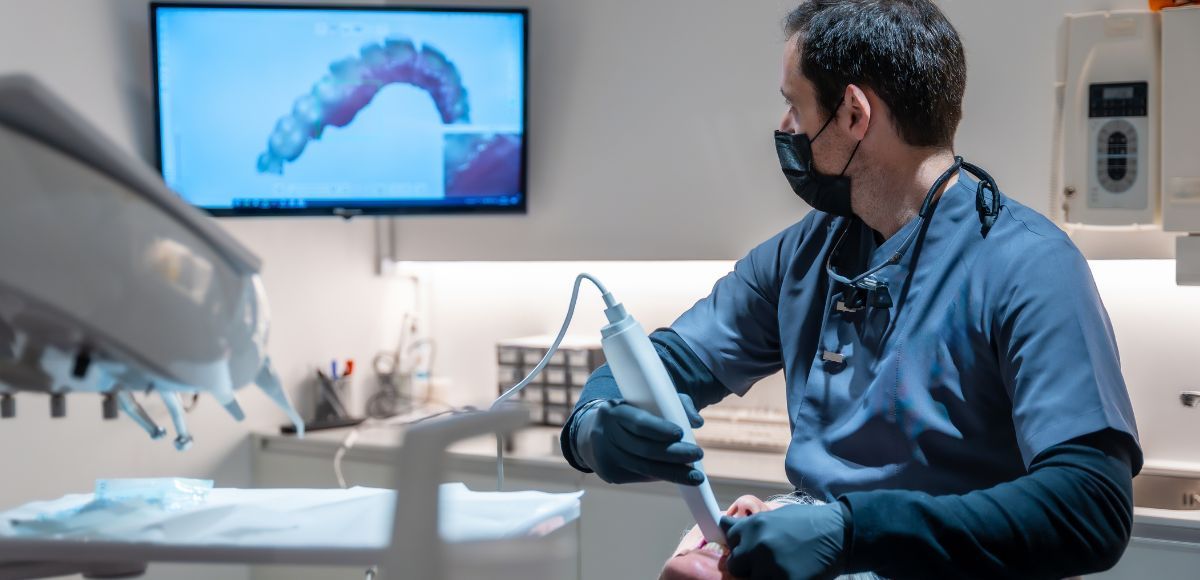
Oral appliances are small mouthpieces that you wear while you sleep. They gently move your lower jaw forward to help keep your airway open. You can buy some types over the counter, but custom devices made by a dentist often fit better and work more effectively. These devices can be a good choice if your snoring is caused by your throat or tongue blocking your airway.
14. Try Mouth Tape
Mouth tape is a soft strip that keeps your lips closed during sleep. It encourages you to breathe through your nose instead of your mouth. People who mainly snore while mouth-breathing may benefit from using mouth tape, which can help reduce snoring and improve airflow.
Only use mouth tape if you can breathe clearly through your nose. Do not use it if you have nasal congestion, sinus problems, or sleep apnea.
15. CPAP or Surgery
If your snoring is loud and happens most nights, or if you wake up gasping, your doctor may recommend a sleep study. If you have sleep apnea, they may suggest a CPAP machine. This machine gently pushes air through a mask to keep your airway open. In rare cases, if other treatments don’t work, surgery might be an option. Surgery can remove or reshape tissue in your nose, mouth, or throat to help you breathe better at night.
Signs that Indicate Possible Sleep Apnea
Some people snore without any serious health problems. But in other cases, snoring may be a sign of obstructive sleep apnea, a condition where your breathing stops and starts while you sleep. When left untreated, sleep apnea can lead to poor sleep quality and other health issues. Here are a few warning signs to watch for:
Gasping or Choking at Night
If you suddenly wake up gasping for air or choking, this may mean your airway is getting blocked during sleep. Some people don’t notice it themselves, but their bed partner might hear it. These breathing pauses can happen many times each night. When your body has to wake up to start breathing again, it stops you from getting deep, restful sleep.
Excessive Daytime Sleepiness
Sleep apnea often leaves you feeling tired during the day, even if you think you got enough sleep. Your body feels this way because the condition causes repeated breathing interruptions during the night, which prevent deep, restful sleep.
If you often feel drowsy at work, struggle to stay awake while watching TV, or fall asleep during quiet moments, you may not be getting the quality sleep your body needs.
Snoring Loud Enough to Wake Others or Be Heard from Another Room
Loud snoring that occurs most nights and wakes someone up, or that can be heard through a closed door, may signal more than just regular snoring. Many people first notice signs of sleep apnea because snoring becomes louder or more frequent. If your snoring is that loud and happens regularly, it’s a good idea to get it checked.
Frequently Asked Questions About Snoring Treatment
What is the best treatment for snoring?
The best treatment depends on what’s causing your snoring. If your snoring is mild and not linked to sleep apnea, simple changes like sleeping on your side, using a nasal strip, or avoiding alcohol before bed may help. If your snoring comes from your throat or jaw position, an oral appliance (mouthpiece) made by a dentist can be very effective. For severe cases or if sleep apnea is present, a doctor may recommend a CPAP machine or other medical treatments.
How do I stop snoring so loudly?
To reduce loud snoring, start by checking your sleeping habits. Try sleeping on your side, raise your head with a supportive pillow, and avoid alcohol and sedatives before bed. If your nose feels blocked, use a nasal strip or treat any allergies. If these steps don’t work, speak with your dentist or doctor to explore options such as an oral appliance or a sleep study to evaluate for sleep apnea.
Why am I suddenly snoring?
Sudden snoring can occur for several reasons. You may have a cold, allergies, or nasal congestion that blocks your airflow. Gaining weight, drinking alcohol, or taking certain medications before bed can also make you snore. If you’ve started sleeping on your back or feel more tired during the day, your sleeping position or sleep quality could be the cause.
Let Austin Elite Smiles Help You Breathe and Sleep Easier
If snoring is affecting your sleep or your quality of life, it’s a good idea to speak with a professional. At Austin Elite Smiles, we understand how sleep impacts your overall health and well-being.
Let us help you find a solution that fits your needs, so you can sleep better and wake up feeling more rested every morning.